Epilepsy

Epilepsy

Subspecialties Β· 102 cards


Seizure Pathophysiology

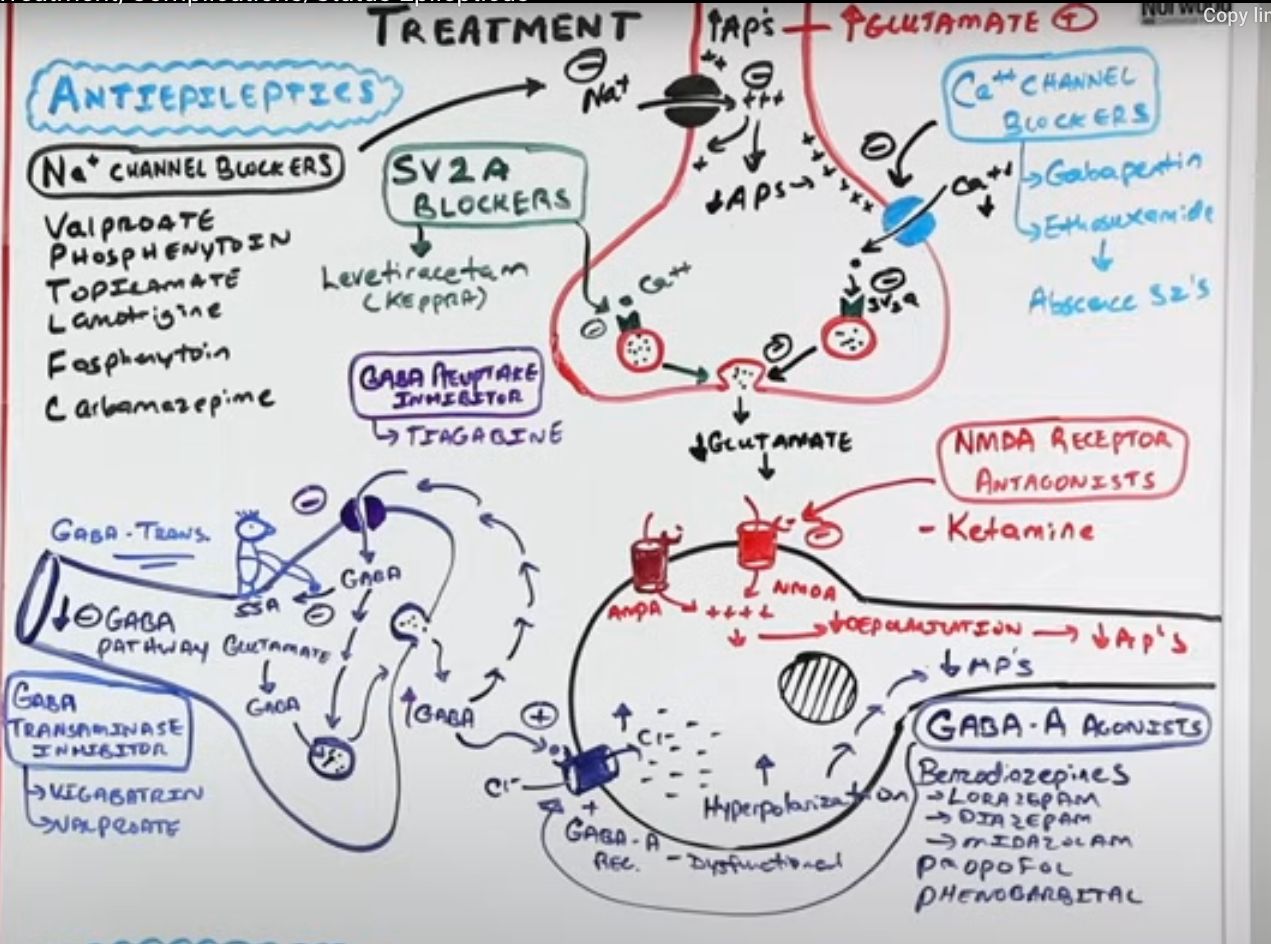
Broadly - Drugs are aimed at targeting one of 2 pathways: increase in Glutamate[…] OR decrease in GABA[…]

Glutamate Excitatory Pathway

  • Action Potential[…] moves down neuron -> open Na[…]+ channels -> Na[…]+ influx into cell -> inside of cell becomes more (+)[…] charged -> depolarizes[…] the whole neuron
    • DRUG CLASS: Na+ Channel Blockers[…]
      • Mnemonic: β€œit's 
        • Very (VPA)[…] 
        • Problematic (Phenytoin)[…]
        • To (Topiramate) (~Zonisamide)[…]
        • Let (Lamotrigine)[…]
        • Fosphenytoin[…]
        • Cuddle (Carbamazepime)[…] (~Oxcarbazepine[…] / ~Esclicarbazepine[…])
        • Very (Vimpat)[…] (MOA: slow-ly Na channel inactivation[…]"
  • This triggers action potentials to move down to:
    • 1) the synapse[…] itself > Glutamate release > binds to NMDA[…] & AMPA[…] receptors on postsynaptic neuron > more cations[…] flood into the cell > depolarizing it
      • DRUG CLASS: NMDA Receptor Blockers[…] which include:
        • Ketamine[…]
        • Fenfluramine[…] (for LGS and Dravet[…] Syndrome in kids)
        • Memantine[…] for dementia pts
      • DRUG CLASS: AMPA Receptor Blockers[…]: Perampanel/Fycompa[…]
    • 2) Ca[…]+ Channels > Ca[…]+ influx into cell > Ca+ binds SV2a[…] receptors on vesicles[…] > vesicles filled w/glutamate[…] fuse to the cell membrane[…] > further glutamate[…] release into synapse to enhance above
      • DRUG CLASS: Ca+ Channel Blockers[…]
        • Gabapentin (~Pregabalin)[…]
        • Ethosuxamide[…]
      • DRUG CLASS: SV2a Receptor Blockers[…] = Keppra[…] (~Briviact[…])
Details of GABA Inhibition Pathway
  • Some glutamate is converted into GABA[…] > incorporated into vesicles[…] > fused w/ cell membrane[…] > released into synaptic cleft > binds postsynaptic GABA-a[…] Receptors > triggers Cl[…]- influx into postsynaptic neuron > hyper[…]polarizes neuron
    • DRUG CLASS: GABA Agonists[…]
      • Benzos[…] (Lorezapam/Ativan[…], Midazolam/Versed[…], Diazepam/Vallium[…], Clonazepam/Klonopin[…])
      • Onfi[…]
      • Propofol[…]
      • Phenobarbital[…] (~Pentobarbital[…])
      • Cenobamate/Xcopri[…] (~Felbamate[…])
  • Once GABA[…] is done exerting its effect, it's recycled via re-uptake into pre-synaptic[…] neuron > converted by an enzyme called GABA Transaminase[…] into inactive form called SSA[…] > preventing it from getting recycled 
    • DRUG CLASSES: GABA Re-Uptake[…] Blockers (Tiagabine[…]) or (GABA Transaminase[…]Blockers (Vigabatrin[…] or VPA[…]
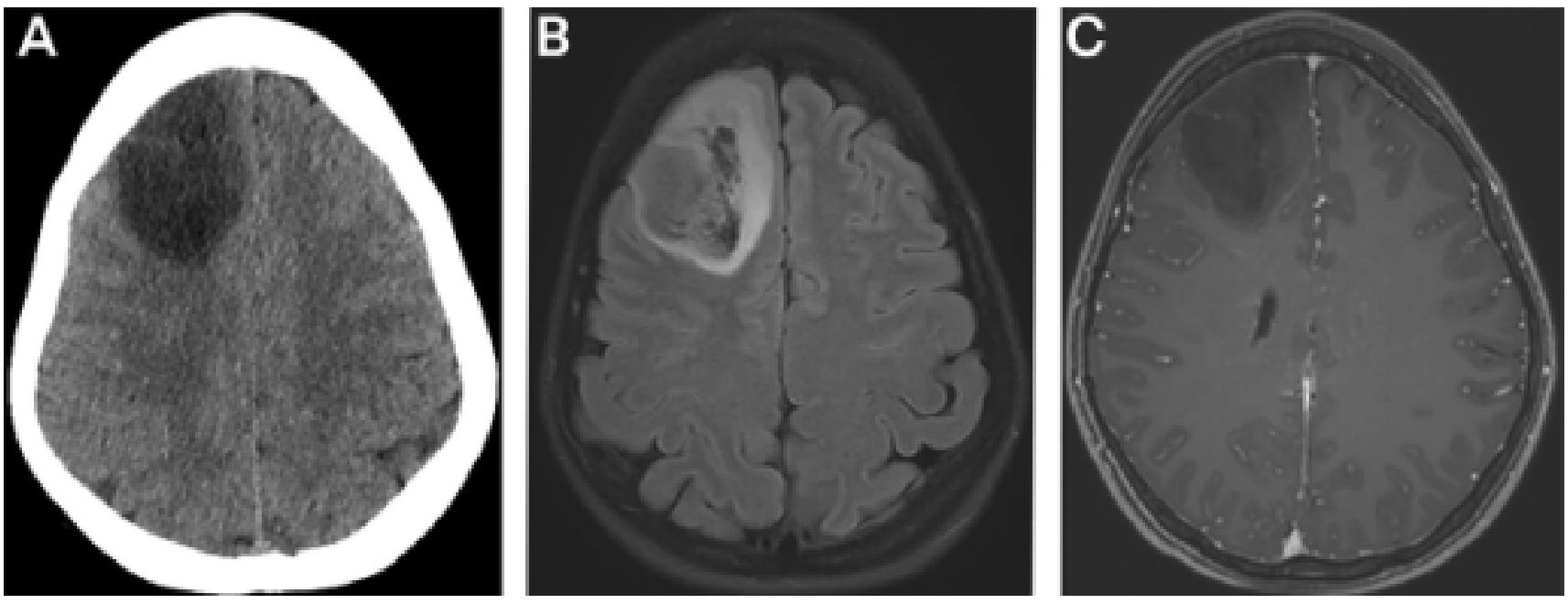
A: CTHwo axial: shows large hypodensity[…] in the R frontal[…] lobe
B: MRIb axial T2W FLAIR: shows mass in the R frontal lobe with surrounding vasogenic edema[…]
C: MRIb axial T1W postcontrast sequence: shows absence of contrast[…] enhancement


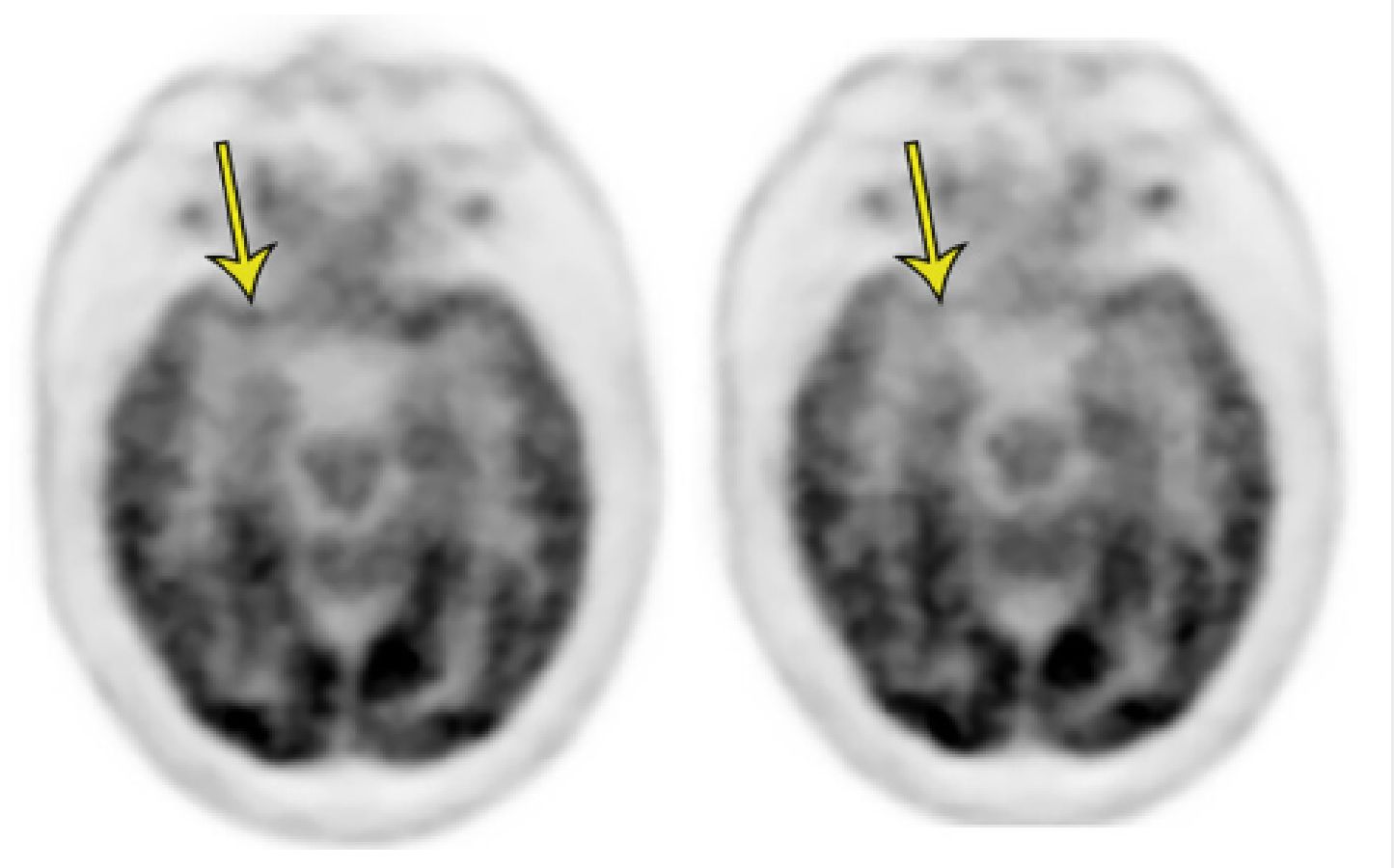
FDG-PET[…] axial sequences: show R mesial temporal[…] lobe hypo[…]metabolism


6M
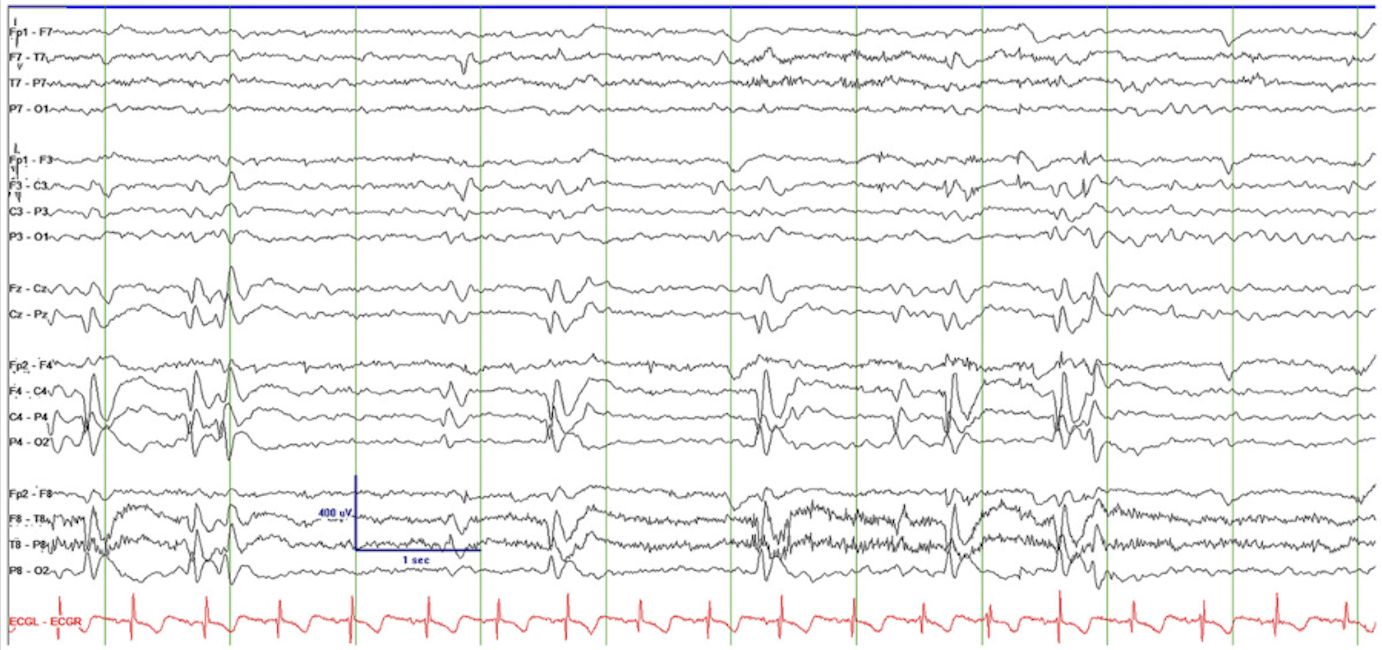
  • EEG showing R centrotemporal blunt discharges c/f Benign epilepsy with centrotemporal spikes (benign rolandic epilepsy)[…]

Epilepsy - ILAE 2014 Definition + Resolution

A person has epilepsy if EITHER: β‰₯2[…] unprovoked seizures occurring >24 hours apart, OR; 1 unprovoked seizure[…] + probability of recurrence β‰₯60[…]% over the next 10 years.

Epilepsy is considered resolved if the patient is seizure-free for 10 years[…] AND off ASM for >5 years[…].
Epilepsy - ILAE 2017 Seizure Type Framework

ILAE 2017 classifies seizures by onset: Focal onset[…]; Generalized onset[…]; Unknown onset[…].

The first feature[…] of the seizure determines classification (tingling = sensory, twitching = motor).

Focal onset awareness levels: focal aware[…] (recognizes self/surroundings), focal impaired awareness[…], and focal-to-bilateral tonic-clonic[…] seizures.
Epilepsy - Focal Motor Seizure Types

Focal motor seizure types: Tonic[…]: sustained muscle contraction; Clonic[…]: stereotyped jerking; Myoclonic[…]: sudden brief contraction; Atonic[…]: loss of tone.

Other seizure-like movements: automatisms[…] (lip smacking, tapping), epileptic spasms[…] (sudden flexion/extension of proximal muscles in clusters), and hyperkinetic[…] (complex proximal movements like body rocking, bicycling).

Unilateral focal clonic movements that spread to adjacent body areas = contralateral onset, called a "Jacksonian March[…]".
Epilepsy - Focal Nonmotor Seizure Types

Focal nonmotor seizure types: Autonomic[…]: HR/BP, n/v, sweating, cough, skin changes; Cognitive[…]: ictal aphasia, derealization, dΓ©jΓ  vu, dreamy state, hallucinations; Behavioral arrest[…]: cessation of ongoing movement; Emotional[…]: ictal fear/anxiety; Sensory[…]: tingling, numbness, auditory, vestibular, visual, olfactory.
Epilepsy - Generalized Seizure Types - Motor

Generalized motor seizure types: Tonic-clonic[…]; Myoclonic-tonic-clonic[…]: often seen in JME[…]; Myoclonic-atonic[…]: often seen in Doose Syndrome[…]; Atonic[…]: bilateral loss of tone; Clonic[…]: bilateral stereotyped jerking; Myoclonic[…]: bilateral brief jerks; Tonic[…]: bilateral sustained contractions; Epileptic spasms[…]: flexion/extension in clusters.
Epilepsy - Generalized Seizure Types - Absence

Generalized nonmotor (absence) seizure types: Typical absence[…]: blank stare interrupting activity + oral automatisms with rapid recovery.

Atypical absence[…]: slower onset, prolonged recovery, often seen in LGS[…].

Myoclonic absence[…]: myoclonic component during absence sz.

Eyelid myoclonia[…]: rapid blinking at 3.5-6 Hz[…], often seen in Jeavons Syndrome[…].
Epilepsy - Epilepsy Types (ILAE 2017)

ILAE 2017 epilepsy types: Focal[…] epilepsy: possibly lesional on neuroimaging; EEG shows focal epileptiform discharges[…]; Generalized[…] epilepsy: multiple seizure types; EEG shows generalized spike-wave discharges[…]; Combined focal/generalized[…]: EEG shows both; often Dravet or LGS[…]; Unknown.
Epilepsy - Idiopathic Generalized Epilepsies (IGE)

Childhood Absence (CAE)[…]: typical absence + rare GTC; onset 4-10 yo[…]; self-limited; EEG: 3 Hz generalized spike-wave[…].

Juvenile Absence (JAE)[…]: typical absence + GTC + rare myoclonic; onset 9-13 yo[…]; NOT self-limited; EEG: 3-5.5 Hz generalized spike-wave.

Juvenile Myoclonic (JME)[…]: myoclonic on awakening + GTC + absence; onset 10-25 yo[…]; NOT self-limited; EEG: irregular 3-5.5 Hz spike-wave and polyspike-wave[…] discharges + photoparoxysmal response[…]. Epilepsy with GTC Alone: GTC only; onset 10-25 yo; NOT self-limited.
Epilepsy - Self-Limited Focal Epilepsy Syndromes of Childhood

SeLECTS[…] (formerly Benign Rolandic Epilepsy): focal-to-BL tonic-clonic seizures in sleep[…] with focal symptoms including dysarthria, sialorrhea; typically remits.

EEG: high-amplitude centrotemporal biphasic[…] epileptiform discharges. Onset 4-10 yo.

Self-Limited Epilepsy with Autonomic Seizures[…] (formerly Panayiotopoulos Syndrome): prominent retching/vomiting[…], pallor, flushing, abdominal pain + impaired awareness. EEG: high-amplitude focal/multifocal discharges activated by sleep. Onset 3-6 yo.

Childhood Occipital Visual Epilepsy[…] (formerly Gastaut Syndrome): focal sensory (visual) seizures (multicolored circles) + impaired awareness in wakefulness; EEG: occipital spikes/spike-wave. Onset ~8-9 yo.

Photosensitive Occipital Lobe Epilepsy[…]: focal sensory (visual) seizures evolving to BL tonic-clonic; EEG: occipital spike-wave facilitated by eye closure or photic stim[…].
Epilepsy - Developmental & Epileptic Encephalopathies

  • Dravet Syndrome[…] (mutation: SCN1A[…]): drug-resistant disorder with intellectual disability + prolonged hemiclonic or generalized clonic seizures triggered by fever[…] at 3-9 months old. EEG: focal, multifocal & generalized discharges with background slowing after 2 years.
  • Doose Syndrome[…] (myoclonic-atonic): initially drug-resistant but often later remits; myoclonic-atonic + GTC seizures around 2-6 yo[…]. EEG: generalized 2-6 Hz spike-wave/polyspike-wave.
  • Lennox-Gastaut Syndrome (LGS)[…]: drug-resistant; intellectual disability + multiple seizure types (mostly tonic[…], plus GTC, atypical absence, atonic, myoclonic).
    • EEG: generalized slow spike-wave <2.5 Hz[…]+ generalized paroxysmal fast activity in sleep.
  • Rasmussen Syndrome[…]: drug-resistant epilepsy at variable ages; focal or hemispheric motor seizures; EEG: focal discharges from multiple foci within one hemisphere[…].
Epilepsy - Diagnostic Approach

Step 1: rule out seizure mimics β€” syncope, PNES, movement disorders[…].

Step 2: rule out provoked seizures[…] (toxic/metabolic/infectious causes).

Step 3: if clinically indicated, pursue EEG + MRI brain (with/without contrast)[…] for new seizure semiology or change from prior. CTH for hemorrhage rule-out if suspected.

Step 4: if high clinical suspicion, obtain LP/CSF[…] to rule out autoimmune epilepsy β€” most commonly from NMDAr, GAD, or LGI1 encephalitis[…].
Epilepsy Imaging - Indications

Standard epilepsy MRI indications: After a 1st unprovoked seizure[…] to determine etiology β€” assuming recurrence risk is high (~60%), based on: Prior cortical brain injury[…]; Seizure occurring from sleep[…]; Epileptiform discharges[…] on EEG; Abnormal neuro exam with focal findings; High pretest probability from risk factors.

Also indicated for surgical planning[…].
Epilepsy Imaging - MRI Seizure Protocol

Field strength: 3T[…] is better than 1.5T (better FCD detection).

Seizure protocol sequences: MPRAGE[…] (3D gradient echo): T1-weighted for anatomy/morphology; 3D FLAIR[…]: T2-weighted for hyperintensities (lesions, gliosis); High-resolution 2D coronal TSE[…]: T2-weighted, best for hippocampus anatomy; Standard contrast-enhanced T1: looks for BBB breakdown[…] (tumor, vascular malformation, infection); SWI[…]: looks for hemorrhage, calcification, iron deposits.
Epilepsy Imaging - Mesial Temporal Sclerosis (MTS)

MTS (Hippocampal Sclerosis)[…] pathophys: hippocampal neuron cell loss + astrogliosis.

Most cell loss occurs in hippocampus CA1 and CA4[…] areas.

One of the most common causes of drug-resistant mesial temporal lobe epilepsy[…].

Responds well to epilepsy surgery[…] β€” 1-year seizure freedom rate with medical therapy alone is only ~10%.

Early surgical referral indicated after failure of >2 ASMs[…].

If MTS is associated with FCD, it's usually FCD type III[…].
Epilepsy Imaging - Malformations of Cortical Development (MCD)

Three major MCD types based on developmental defect: Type 1: disorders of cell proliferation and apoptosis[…] β€” micro/macrocephaly, Tuberous Sclerosis[…], FCD Type II, gangliogliomas, hemimegalencephaly.

Type 2: disorders of neuron migration[…] β€” Periventricular Nodular Heterotopia[…], Subcortical Band Heterotopia, Lissencephaly.

Type 3: disorders of cortical organization[…] β€” schizencephaly, polymicrogyria, FCD Type I.
Epilepsy Imaging - Focal Cortical Dysplasia (FCD) + TSC

FCD subtypes (by associated MCD type): FCD Type 1 β†’ associated with type 3 MCD (cortical organization); FCD Type 2 β†’ associated with type 1 MCD (proliferation/apoptosis); FCD Type 3 β†’ associated with MTS[…].

FCD MRI: blurring of gray-white junction[…], subcortical radial bands of cortical neurons extending to ventricular surface, and increased T2 signal. Tuberous Sclerosis Complex (TSC):

Gene mutations in TSC1 or TSC2[…] β†’ dysregulation of mTOR[…] pathway β†’ epileptic spasms within first year of life.

Imaging features: Cortical tubers[…]: cause epilepsy and are resectable; Subependymal nodules[…]: along ventricular walls; SEGA[…] (subependymal giant cell astrocytoma): near foramen of Monroe β†’ risk of obstructive hydrocephalus[…].
Epilepsy Imaging - Tumors + Heterotopias
  • Ganglioglioma[…]: usually arises in the temporal lobe; highly resectable.
    • MRI: cyst with a mural nodule[…].
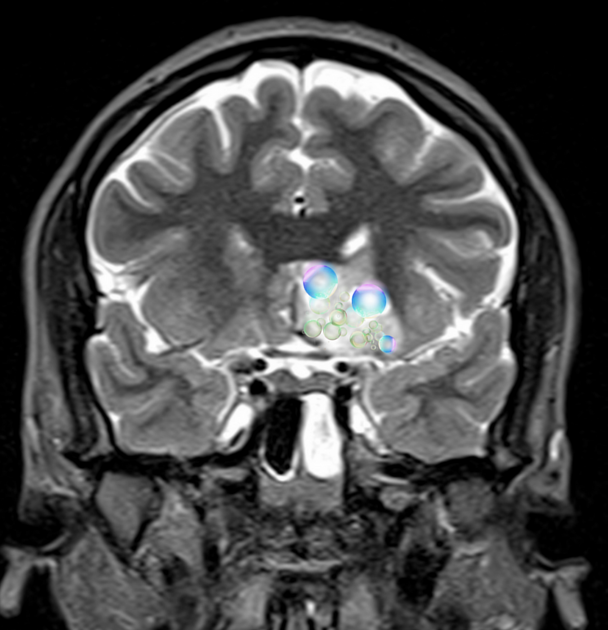
  • DNET (dysembryoplastic neuroepithelial tumor)[…]: usually arises in temporal lobe; highly resectable.
    • MRI: bubbly[…] mass (multiple tiny cysts) with no FLAIR suppression.
  • Periventricular Nodular Heterotopia: failure of gray matter neurons to migrate[…] β†’ gray matter along the ventricles. Subcortical Band Heterotopia: usually bilateral bands of subcortical white matter and thinned cortex.
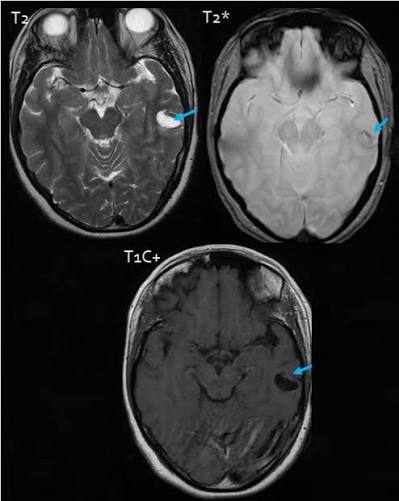
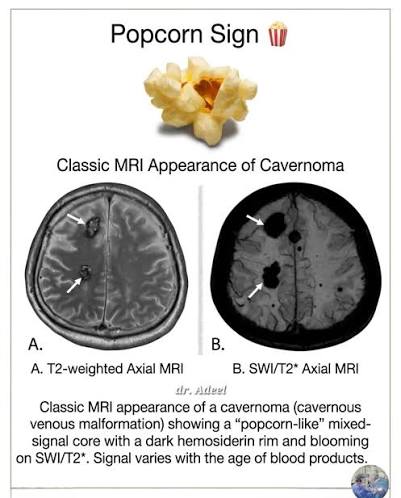
  • Cavernomas (Cavernous Hemangiomas)[…]: hemosiderin deposition in surrounding cortex after hemorrhage.
    • MRI: popcorn-ball appearance[…] with mixed signal; SWI shows blooming artifact[…]. Treatment: early surgery is better.


Ganglioma (pic credit: Alami, B., Tazi, L., TraorΓ©, Z., Lamrani, M. A., Boubbou, M., Maaroufi, M., & Tizniti, S. (2015, March). Magnetic resonance imaging findings and Spectrum of Etiologies in children epilepsy. In European Congress of Radiology (Vol. 10).)
Ganglioglioma in the left temporal lobe presenting as a cystic mass... | Download Scientific Diagram

DNET (pic credit: Abdeldjalil B, Sharma R, Gaillard F, Soap bubble appearance (DNET). Reference article, Radiopaedia.org (Accessed on 13 Jul 2026) https://doi.org/10.53347/rID-163587)


Cavernomas (pic credit: dr.adeel.neurosurgery on Instagram)
Popcorn Sign in Cavernoma MRI 🍿 Description: Classic MRI appearance of cavernous malformations showing a popcorn-like mixed signal core with hemosiderin rim and blooming on SWI/T2*. #MRI #Cavernoma #Neuroradiology #Neurology #Radiology
Epilepsy Imaging - Non-Conventional Modalities (Nonlesional Epilepsy)

FDG-PET[…]: especially if MRI-negative; looks for interictal hypometabolism[…] (region often extends beyond seizure onset zone).

Ictal SPECT[…]: single photon emission CT looking for hyperperfusion[…] during seizure using Technetium-99 radiotracer.

SISCOM[…] (Subtraction Ictal SPECT Coregistered on MRI): quantitatively analyzes ictal vs interictal; helpful especially for temporal lobe epilepsy[…].

fMRI[…]: blood Oβ‚‚ level uptake; helpful for mapping eloquent cortex pre-surgically.
Epilepsy Genetic Testing - When to Test

Recommended in: Epilepsy + neurodevelopmental or congenital issue, intellectual or cognitive disability[…]; Progressive epilepsy[…]; Any imaging-negative epilepsy before surgery[…].

Consider testing in: Focal drug-resistant[…] epilepsy; Epilepsy with MCD; Strong family history. NOT recommended for: polygenic causes (CAE, JAE, JME, Epilepsy with GTC Alone) unless atypical phenotype, or Self-Limited Focal Epilepsies (SeLECTS).

Key concept: many genetic epilepsies are due to de novo[…] variants β€” not inherited from parents.

A novel variant is most strongly pathogenic when absent in the patient's unaffected parents[…] (likely de novo).
Epilepsy Genetic Testing - Testing Hierarchy

Hierarchy of testing: 1st line exome sequencing[…] β†’ genome sequencing β†’ multigene panel β†’ chromosomal microarray β†’ targeted/karyotyping.

Variants are classified from benign to pathogenic[…]; intermediate = VUS (variant of unknown significance).

Mutations can be loss- or gain-of-function[…] (e.g., SCN8A has both).

Important pearl: Ring Chromosome 20[…] is an epileptic encephalopathy that emerges after onset of treatment-resistant frontal lobe seizures[…]; requires karyotype[…] for diagnosis (microarray can miss this).
Epilepsy Genetic Testing - Disease-Specific Therapies

Genetic diagnoses where specific therapies make a difference: GLUT1 deficiency[…] β†’ ketogenic diet[…] (bypasses glucose, gives brain ketones).

Pyruvate Carboxylase deficiency or fat metabolism errors[…] β†’ AVOID the ketogenic diet.

Dravet Syndrome (SCN1A haploinsufficiency)[…] β†’ avoid Na⁺ channel blockers[…].

Pyridoxine Deficiency (ALDH7A1 variants)[…] β†’ treat with pyridoxine[…].
First Seizure - Recurrence Risk

First unprovoked seizure: risk of recurrence is <30[…]% at one year.

Second unprovoked seizure: recurrence risk jumps to ~57[…]% at one year β€” risk is highest in the first 2 years[…], where ASM initiation has the greatest benefit.

Risk factors for recurrence: prior cortical brain injury, EEG epileptiform discharges, nocturnal-onset seizures[…].
Acute Repetitive (Cluster) Seizures
  • Defined as multiple seizures over 24 hours to a few days[…], followed by seizure-free periods, often recurring on a monthly cycle. Common triggers to rule out: ASM nonadherence, sleep deprivation, drug use, menstrual cycling, acute systemic illness.
  • Rescue medications: IN/IM midazolam (Versed)[…] 5-10 mg, or IN/PR diazepam (Valium)[…] weight/age-based dosing. Preventive ASMs are the same as for general seizure or status prevention.
Status Epilepticus - Definitions

Convulsive SE (CSE): overt convulsions >5 minutes[…] OR >2 back-to-back GTC seizures without return to baseline consciousness.

Time definitions: t1 (treatment begins) = 5 min[…] for CSE; t2 (permanent damage risk) = 30 min[…] for CSE.

Subtypes: Nonconvulsive SE (NCSE)[…]: continuous absence, focal sensory, or focal impaired-awareness seizures lasting >10 min; Myoclonic SE[…]: continuous myoclonic activity; Focal Motor SE (Epilepsia Partialis Continua, EPC)[…]: continuous focal motor activity.

Stages: SE β†’ Refractory SE[…] (after 2 ASMs failed); β†’ Super-Refractory SE[…] (after anesthetic ASMs failed and >24 hr since onset).
Status Epilepticus - Treatment - Benzos (1st Line)

  • First-line: benzodiazepines, but >75% of patients in clinical practice are underdosed[…].
    • Adequate doses: IV lorazepam (Ativan) 4 mg[…] up to 2x; IM midazolam (Versed) 10 mg[…] x1; IV diazepam (Valium) 10 mg[…] x1. Underdosing pearl: delays in benzos β†’ increased odds of death, longer SE duration, more hypotension, more need for IV drips.
    • Uncontrolled SE causes 2x[…] more respiratory dysfunction than adequate benzos (PHTSE Trial[…]).
Status Epilepticus - Treatment - 2nd Line ASMs

  • Second-line ASMs for status (per ESETT[…] trial β€” no difference between the three):
    • IV Keppra 60 mg/kg[…] (max 4.5 g); IV VPA 40 mg/kg[…] (max 3 g); IV Fosphenytoin 20 mg/kg[…] (max 1.5 g).
    • IV Lacosamide (Vimpat)[…] 200-400 mg load is increasingly used as 2nd ASM with comparable efficacy to VPA.
    • If none of the above are available or contraindicated: consider IV Phenobarbital[…] 15 mg/kg but with ICU input as patient would require intubation
  • Refractory/Super-Refractory CSE: drips (5) β€” propofol, midazolam, phenobarb, pentobarb, ketamine[…] (no class I RCT data as of Feb 2025).
Status Epilepticus - NORSE + FIRES

NORSE (New Onset Refractory SE): refractory SE without acute structural or toxic/metabolic cause AND no history of neuro disorder/epilepsy. FIRES[…] = NORSE subcategory requiring prior fever 1 day - 2 weeks before SE onset[…].

Treatment of NORSE: standard SE treatment + first-line IVMP 1 g QD Γ— 3-5 days[…] vs IVIG within 3 days β†’ second-line immunotherapy and ketogenic diet[…] within 7 days.

If pathogenic autoAb identified: Rituximab[…].

Prognosis: STESS score[…] (consciousness, worst seizure type, age, prior seizure history) β€” favorable score is 0-2 (out of 6).
Nonepileptic Events (NEEs)

PNES is an outdated term[…] β€” Non-Epileptic Events (NEE) is the new term.

NEEs are linked to stressful life events, particularly mistreatment and abuse[…] β€” hence comorbid PTSD, GAD/MDD, and personality disorders. Identifying NEEs:

Movement patterns: ictal eye closure[…] (high specificity AND sensitivity), alternating, asynchronous limb movements[…], fluctuating motor intensity, and pelvic thrusting[…]. Behaviors: vocalizations, stuttering, crying.

Characteristics: prolonged duration, preserved awareness/responsiveness[…], and rapid recovery following generalized motor events.

Diagnostic gold standard: video EEG[…].

Treatment: cognitive-behavioral therapy[…] has the best evidence for reducing event frequency.
Epilepsy - Sexual + Reproductive Health

ASM-related sexual dysfunction: decreased libido leading to anorgasmia, and vaginal dryness. Higher anorgasmia with: phenytoin, carbamazepine/oxcarbazepine, phenobarb, gabapentin/pregabalin, topiramate/zonisamide[…].

Lamotrigine[…] has minimal sexual dysfunction risk. Pregnancy:

Folic acid supplementation[…] 0.4 mg QD during preconception and pregnancy decreases miscarriage and preterm births.

Topiramate[…] (at higher doses) lowers estrogen levels and reduces OCP effectiveness.

Perampanel[…] decreases progestin levels (not estrogen).

VPA[…] is severely teratogenic and impairs childhood learning when exposed in utero.

Lamotrigine[…] serum concentration drops in 2nd/3rd trimesters (vs. carbamazepine and VPA which stay stable).

Levetiracetam[…] has low risk of fetal major congenital malformations.

Pregnant patients on ASMs are at higher risk for preterm birth and small-for-gestational-age[…] newborns.

Patients should still be encouraged to breastfeed[…] β€” health benefits outweigh ASM exposure.

Catamenial epilepsy[…] = seizure exacerbation tied to the menstrual cycle.
Epilepsy Surgery - Minimally Invasive Options

Laser Interstitial Thermal Therapy (LITT)[…]: laser energy via stereotactic probe + real-time MRI to thermocoagulate tissue.

LITT indications: MTLE with hippocampal sclerosis, periventricular nodular heterotopias, hypothalamic hamartomas[…]. Other minimally invasive: SRS, radiofrequency ablation, selective amygdalohippocampectomy. Disconnection surgeries:

Corpus callosotomy[…]: used for atonic[…] seizures in generalized/multifocal epilepsy.

Hemispherectomy[…]: for lesions causing widespread seizure onset throughout one hemisphere (large MCD, Rasmussen encephalitis, perinatal stroke).
Epilepsy Surgery - Neurostimulation + Diets

Palliative neurostimulation:. Vagus Nerve Stimulation (VNS)[…]: pulse generator in L chest, lead on L CN10. Open- vs closed-loop options (closed-loop triggered by HR).

SE: can worsen OSA[…].

Deep Brain Stimulation (DBS)[…]: electrodes in the anterior thalamic nucleus[…].

Responsive Neurostimulation (RNS)[…]: closed-loop device in the skull; for drug-resistant focal seizures with β‰₯2[…] seizure foci in adults. Can also be used as long-term EEG monitoring to identify patients with bilateral mesial temporal epilepsy who have mostly unilateral seizures. Diets:

Ketogenic Diet and Modified Atkins[…]: high-fat, low-carb regimens.

Side effects: weight loss, GI symptoms (especially constipation[…]), hyperlipidemia, lethargy.
ASMs - Phenobarbital + Primidone (1st Gen)

Phenobarbital[…]: binds GABAa receptor[…] β†’ prolongs Cl⁻ channel opening.

Potent enzyme inducer[…], hepatic metabolism, long half-life (~80-100 hr).

Effective for multiple seizure types but NOT for absence[…] seizures. Teratogenic.

Therapeutic range: 15-40[…].

SE: sedation/respiratory depression[…], Dupuytren contractures, bone/arthritic abnormalities.

Primidone[…]: converted to phenobarbital + phenylethylmalonamide. Potent inducer, half-life ~10-15 hr.

Effective for multiple seizure types + essential tremor[…].

SE: acute toxic reaction[…] (drowsy, ataxic, n/v).
ASMs - Phenytoin / Fosphenytoin

Phenytoin[…]: prolongs inactivation of fast Na⁺ channels[…] β†’ reduces high-frequency firing.

Potent inducer with nonlinear kinetics[…] β€” small dose increase β†’ disproportionate level increase. Paradoxical seizure increase at levels >30.

Metabolized via CYP2C9[…]; protein-bound.

Bioavailability reduced by Ca²⁺[…] (Tums or NGT feeds).

NOT effective for absence[…] seizures (may worsen).

Therapeutic range: 10-20[…] (or free phenytoin 1-2).

Check free phenytoin[…] in older patients, pregnancy, or hepatic/renal failure.

Levels increased by amiodarone, azole antifungals[…].

SE: purple glove syndrome[…]; cerebellar atrophy (ataxia, nystagmus); bulbar (dysarthria, diplopia); rash β†’ SJS/TEN[…]; long-term gingival hyperplasia, acne/hirsutism, decreased bone density, anemia, neuropathy.

Fosphenytoin[…] is the water-soluble prodrug β€” may cause paresthesias or pruritus during IV infusion.
ASMs - Carbamazepine (CBZ)

Carbamazepine (ER preferred)[…]: Na⁺ channel blocker[…].

Potent inducer with autoinduction[…] (increased clearance over 2-4 weeks).

Metabolized via CYP3A4[…] β†’ breaks down into active metabolite CBZ-10,11-epoxide[…].

Drugs increasing CBZ levels via CYP3A4: erythromycin, grapefruit juice[…]. Drugs increasing the active metabolite: VPA, brivaracetam, felbamate.

Good for multiple seizure types but may exacerbate absence, atonic, and myoclonic[…] seizures.

Therapeutic range: 4-12[…].

SE: hyponatremia[…]; leukopenia or rare aplastic anemia; cerebellar symptoms; diplopia; tremor; rash β†’ SJS/TEN[…].

Boards pearl: HLA-B*1502[…] in Asian[…] patients predicts severe rash. Rebound seizures with abrupt withdrawal; cognitive issues with long-term use.
ASMs - Oxcarbazepine + Eslicarbazepine

Oxcarbazepine (OXC)[…]: active metabolite is MHD[…] (S- and R-licarbazepine).

Weak inducer[…] of CYP3A4 β€” can reduce OCP[…] effectiveness at high doses. NOT affected by CYP3A4 inhibitors like erythromycin (unlike CBZ). No autoinduction.

Good for focal seizures; may exacerbate absence and myoclonic[…].

SE: more hyponatremia than CBZ[…] (especially in elderly on diuretic).

Eslicarbazepine[…]: prodrug of S-licarbazepine. Once-daily dosing (advantage over OXC). Na⁺ channel blocker enhancing slow inactivation. Good for focal seizures. SE: less hyponatremia than OXC/CBZ; less cognitive issues than CBZ.
ASMs - Valproic Acid (VPA)

VPA[…]: Na⁺ channel blocker + GABA reuptake inhibitor.

Potent inhibitor[…] of enzymes (so increases levels of phenobarb, lamictal).

Broad-spectrum β€” good for multiple seizure types; most effective for idiopathic generalized epilepsy with GTC[…].

Severely teratogenic[…] in pregnancy. Childhood in-utero exposure significantly impairs learning.

Serum concentration stays stable[…] during pregnancy.

SE: hepatotoxicity and hyperammonemia[…]; GI (n/v); dose-related thrombocytopenia; tremor; weight gain; PCOS/insulin resistance in women; encephalopathy or dementia from brain atrophy (can cause reversible parkinsonism); pancreatitis[…].

Most associated with dyslipidemia and metabolic syndrome[…] of any ASM.
ASMs - Ethosuximide + Benzodiazepines

Ethosuximide[…]: T-type Ca²⁺ channel[…] blocker.

Good for absence seizures only[…]. SE: CNS symptoms (drowsy, dizzy, ataxic); GI symptoms; rare skin issues (SJS). Benzodiazepines for epilepsy: GABAa receptor agonists β†’ increase frequency of Cl⁻ channel opening.

Clobazam (Onfi)[…]: greater Ξ±2 subunit[…] affinity β†’ ASM without as much sedation/tolerance risk.

Active metabolite N-desmethylclobazam[…] accumulates with CYP2C19 inhibitors (cannabidiol, felbamate, cenobamate).

FDA-approved for LGS in kids[…].

Clonazepam (Klonopin)[…]: equal Ξ±1/Ξ±2 affinity β†’ more sedation and tolerance risk than Onfi. Good for multiple seizure types.
ASMs - Lamotrigine

Lamotrigine[…]: Na⁺ channel blocker.

Half-life doubled with concurrent VPA[…] use. Clearance increased with pregnancy or estrogen supplements.

Good for multiple seizure types (focal, GTC, LGS); may exacerbate myoclonic[…] and less effective for absence (vs VPA/ETX).

One of the lowest teratogenic risks[…] in pregnancy.

SE: dizziness/ataxia, tremor, rash β†’ SJS/TEN[…] (titrate slowly β€” even slower with concurrent VPA, faster with inducers).

Lamotrigine has no/minimal sexual dysfunction[…] risk.
ASMs - Levetiracetam + Brivaracetam

Levetiracetam (Keppra)[…]: SV2a[…] blocker β†’ decreases glutamate release.

Mostly metabolized via kidneys[…]; no drug interactions.

Broad-spectrum β€” only ASM with class I evidence for myoclonic[…] seizures.

SE: irritability/anger/mood issues[…].

Brivaracetam (Briviact)[…]: same SV2a mechanism, but CYP2C19 inducer.

Lower risk of behavioral side effects[…] than Keppra β€” good switch if Keppra causes mood issues.

Levetiracetam has low fetal malformation risk[…].
ASMs - Topiramate + Zonisamide

Topiramate[…]: Na⁺ channel blocker + weak CA inhibition + AMPA blockade + GABA enhancement. Mild CYP3A4 inducer. Good for focal + GTC; NOT effective for absence.

SE: cognitive issues, kidney stones, hyperammonemia, weight loss, rare angle-closure glaucoma[…]. Teratogenic.

Good agent if comorbid migraine or obesity[…].

Zonisamide[…]: similar (Na⁺ and CA blockade) + T-type Ca²⁺[…] channel blocker. No enzyme effect; broad spectrum. SE: CNS (sedation, ataxia, dizzy, cognitive slowing, depression/psychosis); kidney stones.
ASMs - Gabapentin + Pregabalin

Gabapentin and Pregabalin (Lyrica)[…]: bind Ξ±2Ξ΄ subunit of Ca²⁺ channels[…] β†’ reduce glutamate release.

Good for focal seizures; may worsen myoclonic or absence[…] seizures.

Bioavailability: low for gabapentin[…], good for pregabalin.

SE: drowsiness, cognitive slowing, weight gain; myoclonus; uncommonly peripheral edema[…].
ASMs - Lacosamide + Vigabatrin

Lacosamide (Vimpat)[…]: enhances Na⁺ channel slow inactivation[…]. Metabolism: ~half urine, half liver. Helpful for multiple seizure types.

SE: PR prolongation[…].

Vigabatrin[…]: irreversible GABA transaminase blocker[…] β†’ GABA accumulation.

Good for focal seizures; may worsen myoclonic or absence[…].

Special efficacy for infantile spasms[…], especially those associated with TSC.

SE: bilateral concentric visual field constriction[…].
ASMs - Cannabidiol (CBD)

  • Cannabidiol (CBD)[…]: modulates GABAa receptors and intracellular Ca²⁺[…].
  • Critical drug interaction: increases N-desmethylclobazam[…] β†’ can increase clobazam levels (must reduce clobazam dose if co-administering).
  • FDA-approved for LGS, Dravet Syndrome, and TSC[…] in kids.
  • SE: hepatotoxicity β€” especially when combined with VPA and clobazam[…].
ASMs - Cenobamate + Perampanel

Cenobamate (XCopri)[…]: GABAa modulator + some Na⁺ channel blockade.

Good for focal seizures[…]; very effective in drug-resistant focal epilepsy. Inhibits CYP2C19 (can increase phenytoin/phenobarb/N-desmethylclobazam).

When co-administering with clobazam, decrease the clobazam dose[…] to prevent excessive sedation. Briviact rarely requires adjustment.

Perampanel (Fycompa)[…]: AMPA blocker[…].

Good for multiple seizure types, particularly progressive myoclonic[…] epilepsies.

SE: aggression/hostility[…] (black-box warning).
ASMs - Felbamate + Selection Strategy

Felbamate[…]: mostly GABA agonist + some NMDA-r and Na⁺ blockade. Inhibits CYP2C19; weak inducer of CYP3A4. Good for focal + LGS generalized.

SE: boxed warning for aplastic anemia and hepatic failure[…]. ASM Selection Strategy:

If classification uncertain β†’ start with broad-spectrum agent[…] (like for abx). Otherwise focal-specific agent (gabapentin/pregabalin, vigabatrin, CBZ/OXC). Choose agents based on comorbidities (topamax if migraine, lamictal if bipolar).

If no efficacy or poor tolerance: replacement is equally effective as adjunctive therapy[…].
Practice Q - Postictal Psychosis in TLE

For postictal psychosis after seizure clusters in temporal lobe epilepsy, the best next step is risperidone[…] β€” a low-dose atypical antipsychotic safe with epilepsy medications.
Practice Q - ASMs + OCPs

For a woman with focal epilepsy on OCPs, preferred ASMs are lamotrigine or levetiracetam[…] β€” they don't reduce contraceptive efficacy.

Carbamazepine, phenytoin, oxcarbazepine, and topiramate[…] are strong enzyme inducers and should usually be avoided.

Lamotrigine levels may be lowered by contraceptives[…] β€” watch for breakthrough seizures.
Practice Q - Refractory Generalized Pediatric Epilepsy

For refractory generalized epilepsy after multiple medication failures in a child, the next step is the ketogenic diet[…].

Avoid carbamazepine and phenytoin[…] β€” can worsen generalized epilepsy.

Ethosuximide[…] treats only absence seizures; temporal lobectomy is for focal epilepsy.
Practice Q - Depression + Epilepsy SSRI

For depression in epilepsy, the preferred drug is the SSRI escitalopram[…].

Citalopram[…] also has minimal cytochrome P450 interactions and low risk of interacting with ASMs.
Practice Q - VPA Toxicity Pattern

Valproic acid toxicity causes elevated serum ammonia[…] with seizures, vomiting, and ataxia.

AST and bilirubin may remain normal[…]; TSH, WBC, Cr, and Ca²⁺ are less commonly affected.
Practice Q - EEG Beta Activity 16 Hz

EEG beta activity around 16 Hz is most seen with benzodiazepine[…] use.
Practice Q - PNES Recognition

Abnormal movements, closed eyes, pelvic thrusting, and vocalization[…] in wakefulness suggest PNES.

Video EEG[…] is the diagnostic gold standard.
Practice Q - SUDEP Risk Factor

The main SUDEP risk is tonic-clonic seizures[…] β€” especially if frequent or nocturnal.
Practice Q - Exploding Head Syndrome

Sudden loud bang[…] or flash at sleep onset with abrupt awakening, no pain, and normal exam = exploding head syndrome[…].
Practice Q - Cenobamate + Clobazam

When starting cenobamate with clobazam[…], decrease the clobazam[…] dose to prevent excessive sedation.

Dose adjustment for brivaracetam[…] is rarely necessary.
Practice Q - Focal Sensory Seizure Classification

A seizure beginning with painful sensory symptoms in the right hand with full awareness[…], followed by altered awareness and right face/arm hemiclonic activity = focal sensory seizure with impaired awareness[…].
Practice Q - Tonic-Clonic of Unknown Onset

A 19-year-old with 3 nocturnal convulsive events ("shaking all over"), symmetric bilateral tonic-clonic activity, normal MRI/EEG, no observed focal or generalized onset = tonic-clonic seizures of unknown[…] onset.
Practice Q - Atypical vs Typical Absence

In atypical absence[…] seizures, more prominent alteration in muscle tone[…] (head drop, loss of axial tone) is expected than in typical absences.
Practice Q - Eyelid Myoclonia Classification

Per ILAE childhood-onset epilepsy syndrome classification, epilepsy with eyelid myoclonia[…] is a childhood-onset generalized[…] epilepsy syndrome.
Practice Q - Focal Epilepsy from EEG

A 14-year-old boy with spells of confusion + EEG showing a single right temporal sharp wave with slow after-wave disrupting the background β†’ most likely has focal[…] epilepsy.
Practice Q - Ambulatory EEG Use Case

Prolonged ambulatory EEG is preferred when events are provoked by daily activities[…] β€” rather than when medication tapering or intensive in-hospital monitoring is required.
Practice Q - FIRDA Interpretation

A 55-year-old with language difficulty and encephalopathy shortly after CAR T-cell therapy + EEG showing frontal intermittent rhythmic delta activity β†’ most likely toxic/metabolic encephalopathy[…].

FIRDA[…] is a non-epileptiform pattern associated with diffuse cerebral dysfunction.
Practice Q - Ictal EEG Normal in Focal Aware Sz

Ictal EEG is most likely to be normal in a focal seizure without impairment of awareness[…] β€” activity may remain confined to a small cortical region and not be detectable on scalp EEG.
Practice Q - Harmonized Imaging Protocol

The Harmonized Neuroimaging of Epilepsy Structural Sequences protocol requires three-dimensional high-resolution FLAIR[…] imaging as one of its core sequences.
Practice Q - Cyst + Mural Nodule

A cyst with a contrast-enhancing mural nodule on MRI is most consistent with a ganglioglioma[…] β€” a low-grade glioneuronal tumor.
Practice Q - FDG-PET for Lesion-Negative Focal Epilepsy

In lesion-negative focal epilepsy, FDG-PET[…] best demonstrates focal interictal hypometabolism[…] in the epileptogenic cortex.
Practice Q - Genetic Testing + Intellectual Disability

Genetic testing is recommended in epilepsy when there is coexisting intellectual disability[…] β€” higher diagnostic yield for epilepsy-related genetic variants.
Practice Q - Self-Limited Neonatal/Infantile Epilepsies

Many self-limited epilepsies in neonates and infants are due to ion channel disorders[…] β€” often pathogenic variants in voltage-gated channel subunits (KCNQ2, SCN2A[…]).
Practice Q - First-Line Genetic Test

For most patients with unexplained epilepsy suspected to have a genetic cause, first-line testing balancing yield + cost is whole exome sequencing[…] β€” more comprehensive than panels, cheaper than genome sequencing.
Practice Q - Immediate Treatment After 1st Seizure

Immediate treatment after a first unprovoked[…] seizure in adults is increasingly supported by ASMs with lower AE risks.

Treatment likely produces a decreased recurrence risk within 2 years[…] β€” but doesn't improve long-term sustained seizure remission or quality of life.
Practice Q - Out-of-Hospital Seizure Cluster Rescue

A 12-year-old with genetic generalized epilepsy having acute repetitive GTC seizures can have the cluster interrupted at home with intranasal midazolam[…] β€” an approved out-of-hospital benzodiazepine rescue for seizure clusters.
Practice Q - Established Pediatric SE

A 6-year-old in established generalized convulsive SE with severe hypoxia (SpOβ‚‚ 40%) and IV access should receive a full IV dose of midazolam[…] β€” rapidly terminating the seizure is the priority despite respiratory depression risk.
Practice Q - Carbamazepine + Erythromycin Interaction

Erythromycin[…] co-administration most likely causes carbamazepine toxicity β€” strongly inhibits CYP3A4[…], decreasing clearance and raising levels.
Practice Q - Brivaracetam Behavioral Profile

Brivaracetam[…] offers a lower risk of behavioral adverse effects (irritability, aggression, mood changes) compared with levetiracetam.
Practice Q - Cenobamate Indication

Cenobamate is indicated for treatment of focal-onset[…] seizures in adults.
Practice Q - Hemispherectomy Indication

A 13-year-old with 10 years of drug-resistant focal motor seizures, large R MCA encephalomalacia from perinatal stroke, hemiparesis, and hemispheric (not precisely localizable) onset β†’ most likely to achieve seizure freedom with functional hemispherectomy[…]. Highly effective for unilateral hemispheric epileptogenic lesions in patients with contralateral motor deficits already.
Practice Q - Wrist-Worn Seizure Detection

An FDA-cleared wrist-worn seizure detection device uses accelerometry and electrodermal activity[…] sensors to detect possible GTC seizures and alert caregivers.
Practice Q - Alternating Asynchronous Limbs = NEE

Alternating, asynchronous limb movements during an event are strongly associated with nonepileptic events[…].
Practice Q - Perampanel + Hormones

Perampanel decreases progestin[…] levels but not estrogen levels.
Practice Q - VPA Stable in Pregnancy

Valproic acid[…] is the ASM whose serum concentrations remain relatively stable during pregnancy.
Practice Q - New-Onset Epilepsy in Elderly

New-onset epilepsy in older adults may be an early sign of Alzheimer disease[…].
Practice Q - Epilepsy + CV Disease

The association between epilepsy and cardiovascular disease[…] is best explained as a bidirectional effect.
Practice Q - FCD Surgical Outcome

Patients with MRI-visible focal cortical dysplasia and concordant EEG often achieve favorable long-term seizure control after complete resection[…].
Practice Q - RNS for Localization

RNS[…] placement can enable long-term EEG monitoring to quantify laterality of a seizure focus β€” enabling better localization for subsequent surgical resection.
Practice Q - Lesional Temporal CCM Outcome

In lesional temporal epilepsy from a small R temporal CCM in noneloquent cortex, EEG-guided resection of the lesion + surrounding hemosiderin-stained cortex[…] can yield seizure freedom rates β‰₯75%, allowing ASM discontinuation.
Practice Q - Image Panel - R Frontal Tumor

Imaging:. A: CTHwo axial β€” large hypodensity in the R frontal lobe[…].

B: MRIb axial T2W FLAIR[…] β€” mass in R frontal lobe with surrounding vasogenic edema[…].

C: MRIb axial T1W postcontrast[…] β€” absence of contrast enhancement.
Practice Q - Image Panel - FDG-PET R MTL Hypometabolism

FDG-PET[…] axial: R mesial temporal[…] lobe hypo[…]metabolism.
Practice Q - Patient with Tuberous Sclerosis
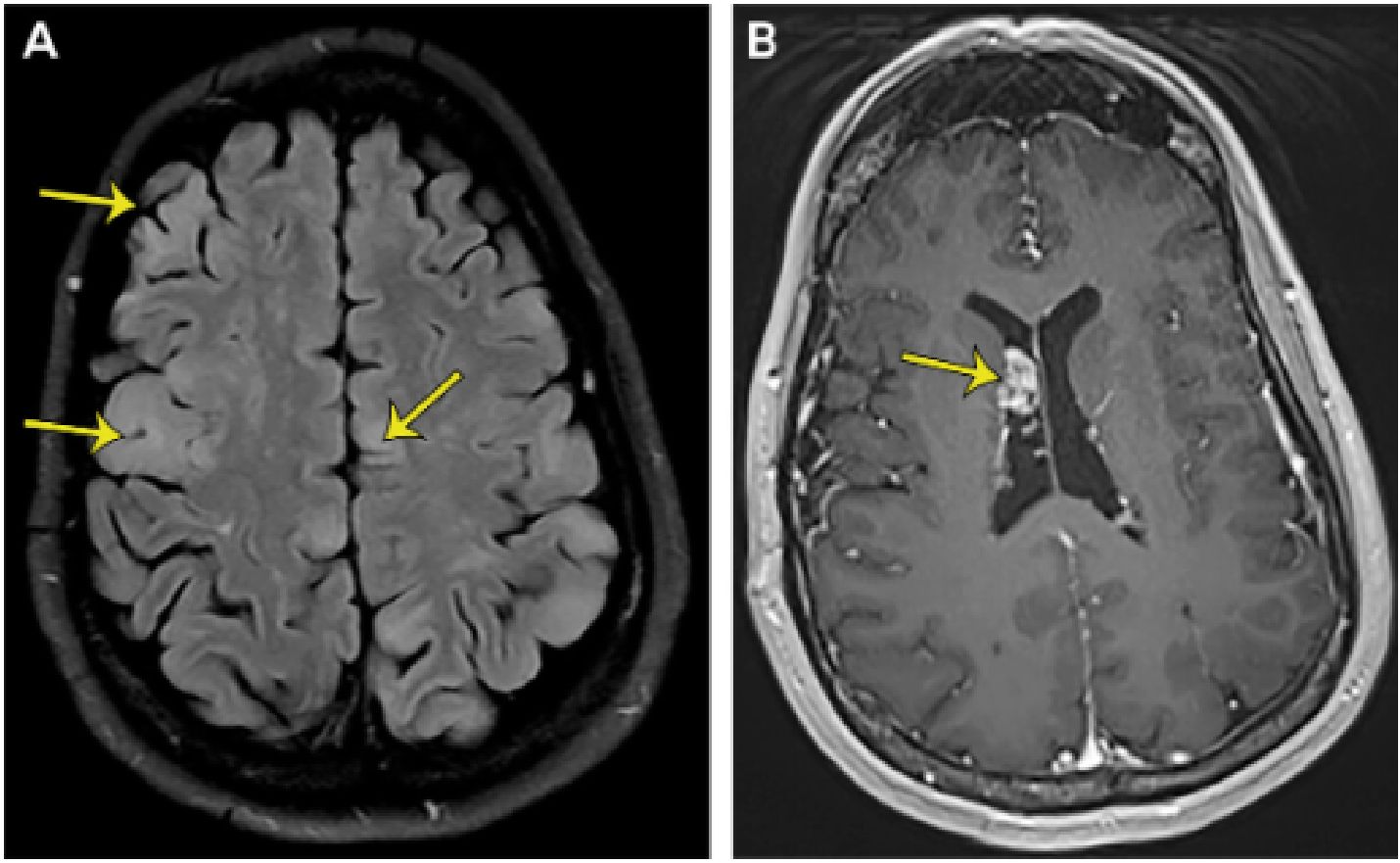
  • A: MRIb axial FLAIR[…] β€” multiple cortical tubers[…] (hyperintensities).
  • B: MRIb axial T1W postcontrast[…] β€” SEGA[…] (subependymal giant cell tumor) in the R lateral ventricle[…].

Practice Q - Image Panel - FCD Type 2

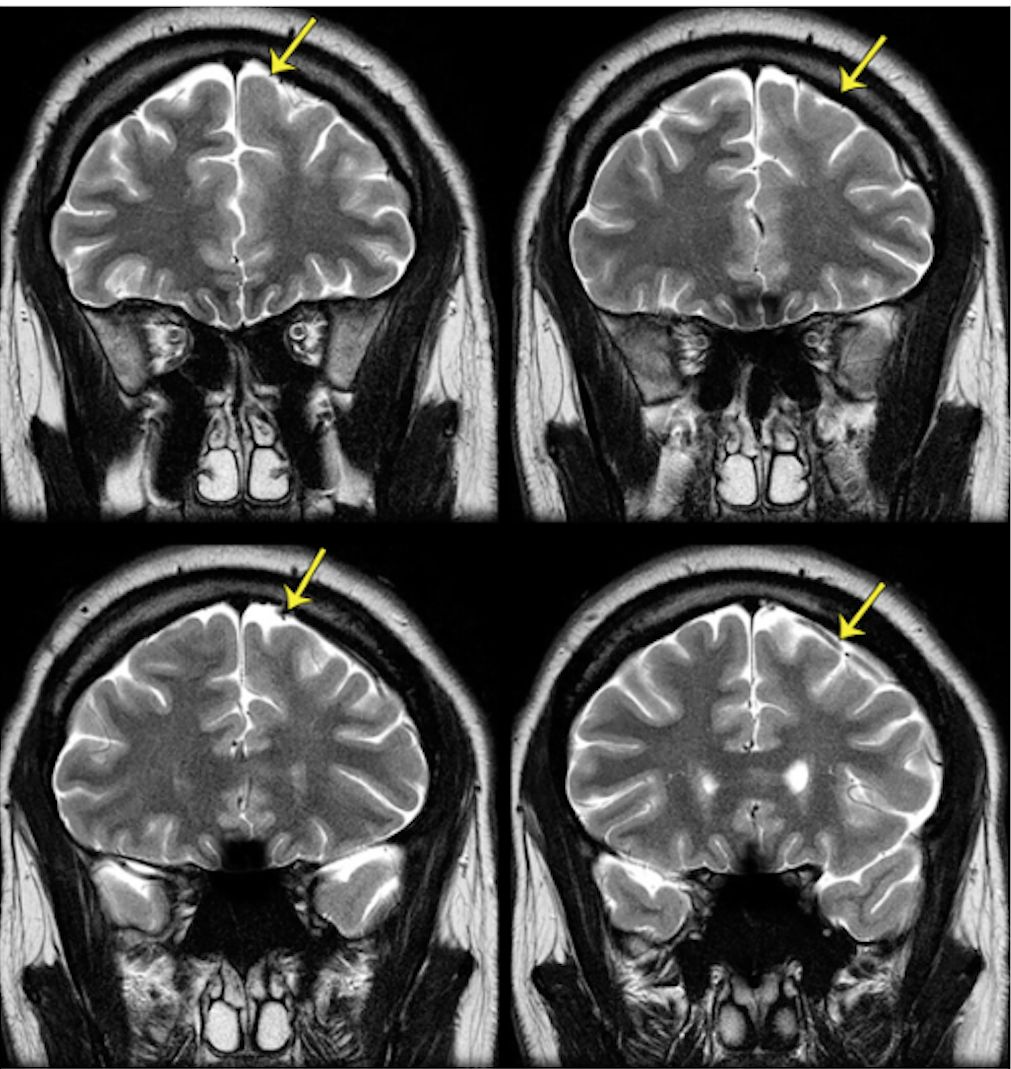
Patient with Focal Cortical Dysplasia (FCD) Type 2:. MRIb coronal T2W[…] β€” FCD in the L superior frontal gyrus[…] with blurring of the gray-white junction[…] compared to the R side

Practice Q - Image Panel - Ganglioglioma

Patient with ganglioglioma:. MRIb sequences show: cystic cavity with a small nodule along the lateral wall of the cyst[…].

Best visualized on T1W postcontrast[…] sequences (cyst + enhancing nodule).
Practice Q 
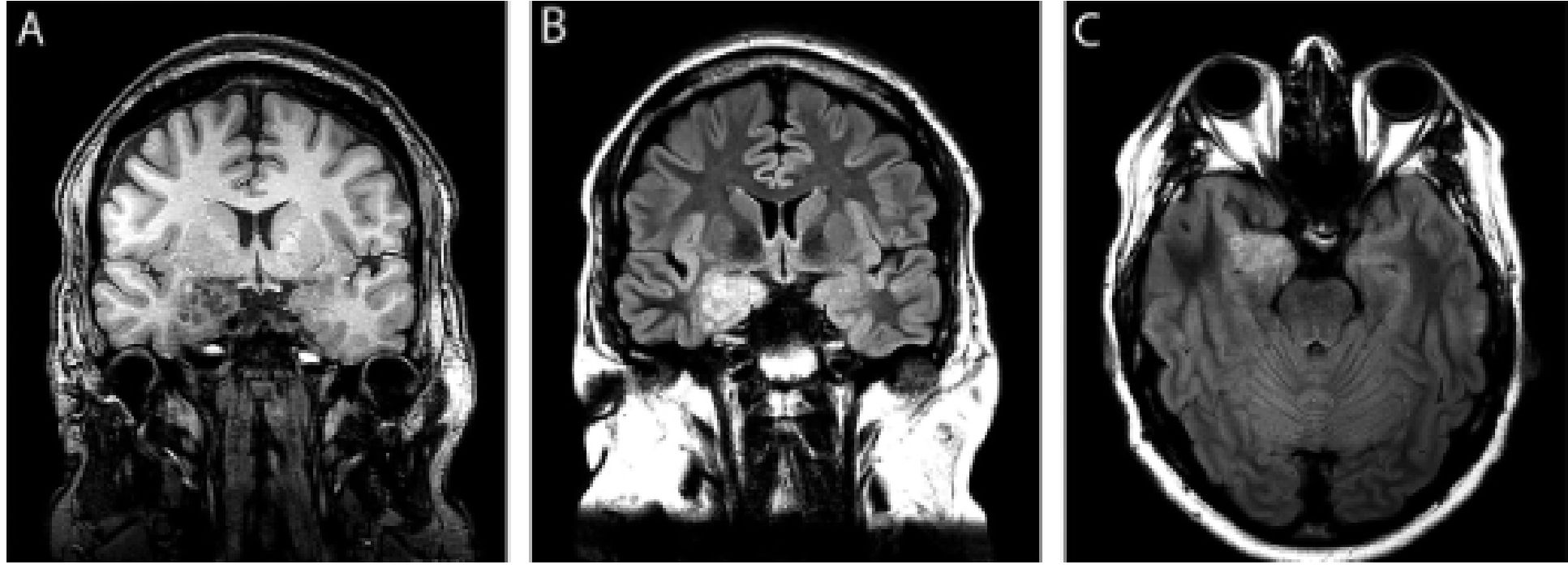
  • Patient with DNET (Dysembryoplastic Neuroepithelial Tumor):. MRIb coronal T1W and FLAIR[…] sequences β€” mass lesion in the R amygdala[…]

Practice Q - Image Panel - Periventricular Nodular Heterotopia

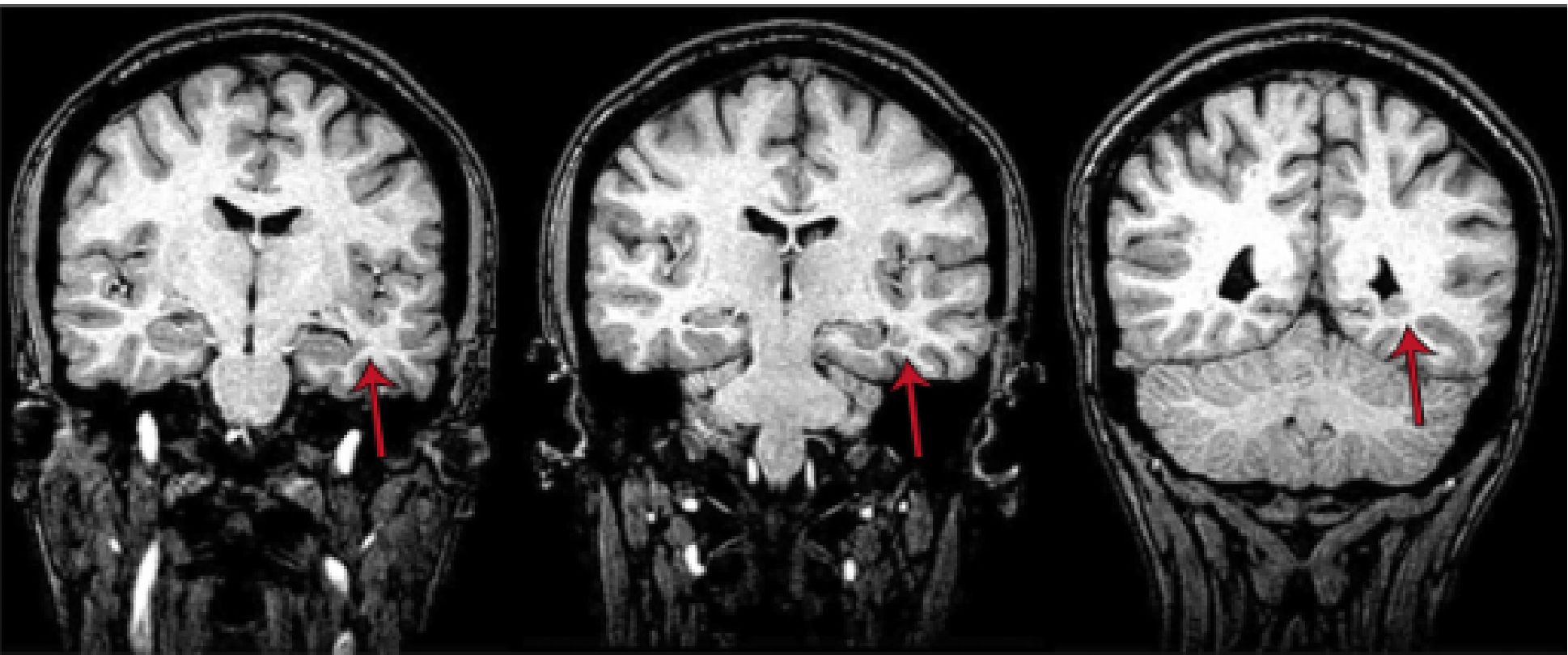
Patient with Periventricular Nodular Heterotopia:. MRIb coronal T1W β€” collection of gray matter[…] along the L temporal lobe[…] extending backward.

Practice Q - Image Panel - Subcortical Band Heterotopia

Patient with Subcortical Band Heterotopia[…]:

MRIb axial T1W β€” thinned cortex bilaterally[…] with thick bands of gray matter in the white matter[…].
Practice Q - Image Panel - Cavernous Hemangioma

Patient with cavernous hemangioma:. MRIb shows mixed signal intensity[…] with regions of hyper- and hypointensity on T1W and T2W sequences β€” the classic "popcorn ball"[…] appearance.
Practice Q - Image Panel - L Frontal Encephalomalacia

Imaging:. MRIb axial T1W and T2 FLAIR[…] β€” obvious L frontal lobe encephalomalacia[…]; FLAIR additionally shows a smaller L parietal[…] lesion.

Coronal T2 FLAIR makes the L parietal[…] lesion more visible.
Practice Q - Image Panel - FDG-PET R Temporal Hypometabolism

FDG-PET[…]: hypo[…]metabolism in the R anteromedial temporal lobe[…].
Practice Q - Image Panel - fMRI Language Mapping

Functional MRI (fMRI)[…] with word encoding task:

Red arrows: Broca's region[…] in the L inferior frontal gyrus.

Green arrows: bilateral activation of hippocampi[…].
Practice Q - Image Panel - L Superior Temporal Hyperintensity

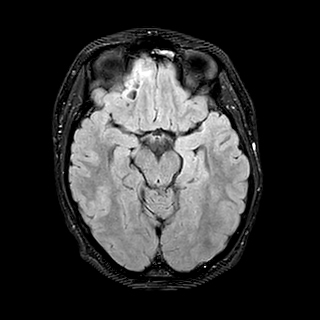
MRIb axial T2 FLAIR[…]: focal hyperintense cortical thickening[…] of the L superior temporal lobe[…].