Neuro Oncology

Neuro Oncology

Subspecialties · 39 cards

WHO 2021 - Overview of Changes

Major shifts: Diagnosis from morphology[…] (light microscopy) → molecular criteria[…] (proteins, epigenetics) via next-gen sequencing and methylation array profiling; Nomenclature: Roman numerals (I-IV) → Arabic numerals (1-4)[…] with "anaplastic" dropped from most names; Gliomas now distinguished as diffuse vs circumscribed[…].

Grade definitions: Grade 2: low mitotic activity[…]; Grade 3: increased mitotic activity; Grade 4: CDKN2A deletion OR microvascular proliferation OR necrosis[…].

Molecular assays: IHC[…]: ATRX loss (IDH-mutant astrocytomas), INI1 loss (rhabdoid/teratoid tumors).

FISH[…]: 1p/19q codeletion (can have false positives with focal deletions).

Whole-arm[…] testing now preferred for 1p/19q.

CMA[…]: detects +7/-10, CDKN2A deletion, 1p/19q codeletion. Cannot detect balanced translocations.

NGS[…]: amplifications, deletions, fusions.

Methylation array profiling[…]: game changer using machine learning.
Adult Diffuse Gliomas - 3 Major Classes

Classification by: IDH wildtype/mutant + 1p/19q codeletion[…] status. IDH-Mutant Astrocytoma (WHO grade 2-4): IDH mutation, NO 1p/19q codeletion.

Co-occurring: TP53 mutations[…] + ATRX loss (loss of nuclear staining). "Triple-mutant[…]" pattern (IDH+, ATRX-, p53+) is highly specific → formal 1p/19q testing not necessary.

Grade 4 = CDKN2A homozygous deletion OR microvascular proliferation OR necrosis[…]. No longer called "glioblastoma" — better prognosis than IDH-wildtype GBM.

IDH-Mutant Oligodendroglioma (WHO grade 2-3): IDH mutation + 1p/19q codeletion[…]; Often TERT promoter[…] mutations; Grade based on mitotic activity + CDKN2A deletion[…] (grade 3).

Glioblastoma (IDH-Wildtype): always WHO grade 4[…].: At least one of: microvascular proliferation, necrosis, TERT promoter[…] mutation, EGFR amplification, +7 chromosome / -10 chromosome; Subtypes: Epithelioid (BRAFV600E), Giant Cell (multinucleated giant cells), Gliosarcoma. IDH pathophys: wildtype IDH converts isocitrate → α-ketoglutarate.

Mutant IDH converts α-KG → 2-hydroxyglutarate[…] (oncometabolite) → epigenetic dysregulation.

This is a gain-of-function[…] mutation.
Pediatric Gliomas - High and Low Grade

Pediatric Diffuse High-Grade Gliomas (all CNS WHO grade 4): Diffuse Midline Glioma[…]: H3 K27 mutation; located in thalamus, brainstem, spinal cord[…]; Diffuse Hemispheric Glioma[…]: H3F3A G34 mutation; cerebral hemispheres; co-occurring TP53 and ATRX mutations; Infant-Type Hemispheric Glioma: tyrosine kinase receptor fusion[…]; usually <1yo with large masses.

Pediatric Diffuse Low-Grade Gliomas (no IDH mutations — have MAPK alterations[…]: BRAF, FGFR, MYB): Diffuse Astrocytoma (grade 1): MYB or MYBL1[…] fusions; temporal lobe with epilepsy; "angiocentric[…]" gliomas; Diffuse Pediatric-Type Glioma: BRAFV600E or other MAPK alterations; PLNTY (Polymorphous Low-Grade Neuroepithelial Tumor of the Young): BRAFV600E or FGFR2/3 fusion.
Circumscribed Gliomas

Pilocytic Astrocytoma (WHO grade 1): Most common glioma in kids[…]; Located in cerebellum, optic nerve, hypothalamus[…]; Histology: Rosenthal Fibers[…] + myxoid regions; Molecular: KIAA1549[BRAF] fusion and loss of NF1. High-Grade Astrocytoma with Piloid Features: overlapping GBM and pilocytic astrocytoma; often cerebellum; CDKN2A deletion + ATRX loss.

Pleomorphic Xanthoastrocytoma (PXA) (WHO grade 2-3): Often in temporal lobe[…]; BRAFV600E[…] mutations + CDKN2A deletion.

SubEpendymal Giant Cell Astrocytoma (SEGA) (WHO grade 1): Located in lateral ventricles[…]; Associated with Tuberous Sclerosis[…].
Glioneuronal, Craniopharyngiomas, Ependymomas

Glioneuronal and Neuronal Tumors (well-differentiated): Gangliogliomas[…]: BRAFV600E mutations, temporal lobe; Gangliocytoma: when found in cerebellum[…] → associated with Cowden (Lhermitte-Duclos)[…] syndrome; DNET[…] (Dysembryoplastic Neuroepithelioid Tumor): FGFR mutation, cortical (temporal lobe), epilepsy.

Craniopharyngiomas: Adamantinomatous: kids or adults; CTNNB1 exon 3[…] mutation; keratin and calcification; Papillary: adults; BRAFV600E[…] mutation; no keratin.

Ependymomas: Supratentorial[…]: ZFTA or YAP1 fusions; kids; Posterior fossa: PF-A[…] subgroup (aggressive, loss of H3K27) or PF-B (indolent); Spinal: NF2[…] mutation or MYCN amplification (worse); Myxopapillary ependymoma: in the conus[…].
Embryonal Tumors and Meningiomas

Embryonal tumors: Medulloblastoma (most common CNS tumor in kids; cerebellum): WNT[…]-activated (nuclear β-catenin; CTNNB1 mutation): best prognosis, dorsal brainstem; SHH[…]-activated, TP53-wildtype: good prognosis, cerebellum; SHH-activated, TP53-mutant[…]: poor prognosis; Group 3[…]: worst prognosis. Atypical Teratoid/Rhabdoid (ATRT): kids <2 yo; leptomeningeal spread; poor prognosis.

Loss of INI1 or BRG1[…] expression.

Embryonal Tumor with Multilayered Rosettes (ETMR): kids <2 yo, poor prognosis; C19MC[…] amplification.

CNS Neuroblastoma: FOXR2[…] rearrangements; cerebral hemispheres or subventricular.

Meningiomas (most common primary CNS tumor; females >50): Most are CNS WHO Grade 1; Most common driver: NF2 inactivation[…]; Loss of chromosome 1p[…] = poor prognostic marker; Even without histologic features: TERT promoter or CDKN2A/B homozygous deletion[…] → CNS WHO Grade 3; Solitary fibrous tumors[…] (old: hemangiopericytoma): NAB2::STAT6 fusion.
Glioma - Initial Presentation

Adults: gliomas are most common malignant brain tumor. Red flag headache features: Acute onset after age 50[…]; Progressive or intractable course; Awakening from sleep[…]; Focal or cognitive symptoms.

Seizures: common in grade 1[…] tumors.
IDH-Wildtype GBM - Treatment

Risk factors: only established risk is therapeutic ionizing radiation[…].

Protective factors: long-term low-dose ASA, atopic conditions (asthma, eczema, hay fever)[…]. Hereditary syndromes: NF1, Lynch, Li-Fraumeni, FAP.

MRI: infiltrative, heterogeneous, ring-enhancing[…] lesion with central necrosis; subcortical white matter or deep gray matter; can cross corpus callosum.

DDX: abscess and MS — both show central restricted diffusion[…] on DWI (differentiator).

Treatment: Dexamethasone[…] (low mineralocorticoid + long half-life).

Avoid if suspecting CNS lymphoma[…] — do biopsy first. Do NOT give prophylactic ASMs unless seizure; prefer non-enzyme-binding agents (keppra, vimpat).

Maximal safe resection[…] → if unresectable: LITT + biopsy. No stereotactic radiosurgery (gliomas are infiltrating).

XRT 60 Gy in 30 fractions[…] × 6 weeks + adjuvant TMZ.

Stupp protocol[…]: TMZ 75 mg/m²/day × 7d/wk × 6 weeks + XRT.

Methylated MGMTp[…] has better outcomes — predicts benefit from alkylating chemo.

Tumor Treating Fields (TTF)[…]: low-density ~200 Hz alternating electric fields; worn ≥18 hr/day with adjuvant TMZ. By MGMTp methylation: any status → XRT + adjuvant TMZ. Unmethylated → XRT alone. Methylated → TMZ alone. Poor PS → supportive care.
IDH-Mutant Gliomas - Treatment

IDH-mutant tumors: more indolent[…] vs IDH-wildtype, more epileptogenic. Astrocytoma: IDH mutation + ATRX loss + TP53.

Severe grades also have homozygous CDKN2A/B[…] deletion.

Oligodendroglioma: IDH mutation + 1p/19q codeletion[…] + TERT promoter mutation.

MRI features: Astrocytoma: specific sign is T2-hyperintense + FLAIR-hypointense[…]; Oligodendroglioma: more cortical involvement + calcifications[…]; D2HG MR Spectroscopy[…]: noninvasive detection of IDH mutations.

Treatment: Surgery with postop MRI (maximum safe resection); Astrocytomas: XRT + adjuvant TMZ; Oligodendrogliomas: PCV (procarbazine, lomustine, vincristine)[…] vs TMZ; Procarbazine SE: MAOi[…] toxicity (avoid tyramine foods); Vincristine SE: neuropathy[…] → discontinue at symptom onset; Vorasidenib[…]: IDH inhibitor showing promise in PFS; Recurrence: rechallenge with alkylating agents (TMZ, lomustine). BRAF-altered gliomas: mutually exclusive with IDH mutations. Includes PXA, ganglioglioma, pilocytic astrocytoma.

Treat with BRAF + MEK inhibitors (dabrafenib + trametinib)[…].

NTRK fusion gliomas: treat with larotrectinib or entrectinib[…].
Pediatric CNS Tumors - Overview

Most common by age: Gliomas[…] overall; ATRT[…] <1 yo; Medulloblastoma[…] 1-4 yo; Pituitary tumors[…] 14-18 yo.

Most common location: infratentorial[…] — pituitary, cerebellum, brainstem.

Risk factors: prior ionizing radiation; NF1, TSC, Li-Fraumeni, Gorlin[…].

Diagnostics: all kids should undergo full neuraxis imaging[…] due to higher risk of LMM.

Associated neurocutaneous syndromes: NF1[…]: optic pathway gliomas (pilocytic astrocytoma), low/high-grade glioma, malignant peripheral nerve sheath tumors. Chemo first-line.

TSC[…]: cortical tubers, subependymal nodules, SEGAs.

Treat SEGAs with mTOR inhibitors[…].

Li-Fraumeni[…] (TP53): pediatric high-grade glioma, SHH medulloblastoma, choroid plexus carcinoma.

Lynch syndrome[…] (MSH/MLH): also colon cancer.
Pediatric Tumor Subtypes

Diffuse Midline Glioma (DIPG): incurable; H3 K27 altered; thalamus/pons/spinal cord. Treatment: surgery + XRT; no chemo helps. Medulloblastoma (1-4 yo, cerebellum, can invade 4th ventricle[…]): 1/3 have metastatic disease (do spinal MRI + LP); MRI: heterogeneous with cystic/calcified/necrotic components projecting into 4th ventricle; positive DWI restriction; Treatment: surgery + craniospinal irradiation[…] + adjuvant chemo; Post-treatment complication: cerebellar mutism syndrome[…] from cerebellar nuclei/outflow tract disruption.

Ependymomas: often posterior fossa (extends into basal cisterns — foramen of Luschka or Magendie[…], unlike medulloblastoma).

Histology: ependymal rosettes and perivascular pseudorosettes[…].

Germ Cell Tumors: pineal and suprasellar regions.: Germinomas[…]: secrete βhCG; Pineal tumors present with dorsal midbrain (Parinaud)[…] syndrome; Suprasellar tumors present with DI[…], endocrine issues, and vision issues; Nongerminomatous tumors secrete βhCG + α-fetoprotein[…].
CNS Lymphoma - Types

Primary CNS Lymphoma (PCNSL): Confined to CNS or vitreoretinal[…] space; Risk factors: HIV/AIDS (EBV-associated), organ transplant (PTLD), immunocompetence (rising)[…]; Mostly grows in parenchyma[…]; >90% are DLBCL[…].

Secondary CNS Lymphoma: spread of systemic lymphoma to CNS.: High-risk organs: testes, kidneys, adrenals, retroperitoneal LNs[…]; High-risk etiology: Burkitt lymphoma[…]; Most often spreads to leptomeninges[…].

Site-specific lymphomas: Dural lymphoma[…]: looks like meningioma; indolent; responsive to low-dose XRT. Mostly Marginal-Zone Lymphoma.

Neurolymphomatosis[…]: direct lymphomatous invasion of peripheral/cranial nerves; painful radiculopathy; mostly B-cell. MRI: enlarged, enhancing nerves. Treat MTX.

Intravascular lymphoma[…]: rapid dementia + progressive strokes + peripheral neuropathy + B symptoms + skin lesions.

Diagnose by skin biopsy[…]. Treatment: R-CHOP + MTX.
CNS Lymphoma - Diagnostics and Treatment

MRI in immunocompetent: single/multifocal, supratentorial, homogeneously enhancing[…], with diffusion restriction[…] and minimal edema relative to lesion size.

In immunocompromised[…]: ring-enhancing with central necrosis (mimics toxoplasmosis or fungal abscess).

Diagnostics: Slit lamp[…] exam to rule out ocular involvement.

Biopsy[…]: withhold steroids[…] before this test (lymphotoxic effect). Avoid debulking. LP/CSF for LMM (cytology, flow cytometry). Testicular US. CT CAP or PET for systemic disease.

Treatment: PCNSL: high-dose MTX[…]-based regimen alone; Secondary CNS Lymphoma: high-dose MTX + systemic regimen[…]; LMM: high-dose IV MTX or intrathecal via Ommaya reservoir[…] (preferred over LP); Consolidation: high-dose chemo + aHSCT[…].

Relapsed disease: Rechallenge MTX if initial response >1 year; WBRT (but significant neurotoxicity); Ibrutinib (TKI)[…] — risk of Aspergillosis; Lenalidomide (immunomodulator)[…]; CAR-T cell therapy emerging.
CNS Metastases - Parenchymal

Distribution: most common are mets to parenchyma[…] > pachymeningeal > leptomeningeal.

Most common primary: lung, breast, melanoma, renal cell[…].

Hemorrhagic mets risk: melanoma, RCC, thyroid, choriocarcinoma[…].

MRI: enhancing mass (BBB disruption) with perilesional edema out of proportion to lesion size[…].

Treatment: Surgery; if not pursuing open: LITT[…] (catheter-based heating).

XRT mainstay: Stereotactic Radiosurgery (SRS)[…] for 1-3 mets, now used commonly >4 lesions.

WBRT[…] (with hippocampal avoidance) if ineligible for SRS — does NOT improve survival, increases cognitive decline.

Memantine 10 mg BID[…] helps with neuroprotection.

Symptomatic care: Steroids for symptomatic edema: titrate to symptoms, not imaging[…]. Can impair ICI efficacy. Seizure PPX NOT recommended unless symptomatic.

Radiation necrosis[…]: short course steroids → surgery, LITT, or bevacizumab[…].
Leptomeningeal Metastases (LMM)

Definition: metastases to subarachnoid space/CSF[…].

Symptoms: CN deficits[…]: diplopia, dysarthria, dysphagia, facial weakness, "numb chin[…] syndrome" (classic); Spinal nerve deficits: polyradiculopathy, bowel/bladder dysfunction (early constipation or loss of urinary urge[…]), saddle anesthesia.

Diagnostics: MRI Neuraxis[…]: diffuse leptomeningeal enhancement (sulci, gyri, cortex) ± basal cistern, cerebellar folia, CN or spinal root enhancement. FLAIR hyperintensity in sulci (high protein).

LP/CSF[…]: positive cytology for malignant cells. ~20% have negative study; ~5% entirely bland despite LMM. May show high protein, high WBC, low glucose.

Treatment: High-dose MTX or pemetrexed[…]; Targeted therapies: osimertinib (NSCLC, EGFR)[…] or tucatinib (breast); Intrathecal trastuzumab or osimertinib via ventricular Ommaya if non-obstructive CSF flow; XRT: focused, photon CSI, or proton CSI[…] (more effective, less toxicity); Spinal cord compression → emergency surgery.
Meningiomas and Vestibular Schwannomas

Meningiomas (most common intracranial tumor, >1/3 of all CNS tumors): Risk factors: ionizing radiation, NF2; CT: internal calcification + bony invasion with hyperostosis[…]; MRI: homogeneous enhancement with dural tail[…], sometimes sunburst pattern; Grading: grade 1 (most) benign; grade 2 aggressive; grade 3 malignant; Molecular: PI3K and AKT mutations (Grade 1 skull base); SMO[…] mutations (olfactory groove); DNA methylation predicts behavior; Treatment: observe asymptomatic; surgery + XRT[…] for symptomatic/growing (NOT endoscopic — higher CSF leak/subtotal resection rates).

Vestibular Schwannomas (Acoustic Neuromas): Originate from Schwann cells of CN VIII; CNS WHO Grade 1; Risk: ionizing radiation, schwannomatosis; Presentation: unilateral sensorineural hearing loss + tinnitus[…], ± brainstem compression/hydro/vertigo; MRI: nodular lesion in IAC, no calcifications[…] (unlike meningioma), moderate-strong enhancement; Treatment: observe asymptomatic; surgery (including stereotactic radiosurgery[…]) ± bevacizumab (off-label NF2); SE: postop facial paresis[…].
Pituitary Adenomas

Nonfunctioning tumors: mass effect → bitemporal hemianopsia[…] + hormone dysfunction.

Functioning subtypes: Prolactinomas[…]: infertility, galactorrhea, amenorrhea, ED; GH-secreting[…]: acromegaly, diabetes; ACTH-secreting[…]: Cushing disease; TSH-secreting: hypo/hyperthyroidism.

Pituitary apoplexy[…]: spontaneous hemorrhage/infarct → acute adrenal insufficiency, acute severe HA, n/v, visual impairment, AMS.

Treat with urgent steroids[…].

Diagnostics: endocrine labs (PRL, GH/IGF-1, TSH/free T4, LH/FSH, ACTH/cortisol[…]). If Cushing's: 24-hr urine cortisol, late-night salivary cortisol, or overnight dexamethasone suppression test.

If MRI-negative for Cushing's: inferior petrosal sinus sampling[…] (central:peripheral ACTH >3:1 after CRH/desmopressin).

Treatment: Microadenomas (<1 cm): observe; Macroadenomas with mass effect/visual field deficits: endoscopic transsphenoidal[…] surgery; Prolactinoma: DA agonist (cabergoline/bromocriptine)[…] first-line → surgery if resistant → XRT or TMZ if treatment failure.
Other Skull Base Tumors

Craniopharyngiomas: from Rathke pouch[…] epithelium.: Adamantinomatous (more common, CTNNB (β-catenin)[…] mutations): mixed cystic/solid, multiloculated, heterogeneous calcifications.

Papillary (BRAFV600E[…] mutations): primarily solid cystic components, no calcifications. Treatment: surgery (endoscopic endonasal) ± XRT. Papillary: BRAF/MEK inhibitors.

Adamantinomatous: β-catenin/WNT pathway inhibitors[…].

Chordomas: from notochord remnant.: CT: clivus erosion[…]. MRI: infiltrative, midline, T1 isointense, T2 hyperintense.

Histology: physaliphorous cells[…] with bubbly appearance in myxoid background.

IHC: brachyury[…]+.

Treatment: surgery + XRT (proton therapy[…]). Ecchordosis physaliphora: benign congenital notochord remnants in dorsal structures; mimic chordoma but asymptomatic.

MRI: no enhancement, no bony erosion[…] (unlike chordoma). Chondrosarcomas: malignant, lateral skull base, from cartilaginous regions.

CT: expansile, bony destruction with intratumoral calcification[…]. MRI: lateral location (unlike midline chordomas). IHC: S100+, cytokeratin-.

Molecular: IDH[…] mutations; brachyury usually negative. Esthesioneuroblastomas (Olfactory Neuroblastomas): from olfactory epithelium → cribriform plate → anterior cranial fossa. Anosmia, epistaxis, nasal obstruction.

Histology: somatostatin receptor[…]+, S100+, neuronal markers (chromogranin, synaptophysin, NSE). Paragangliomas: neuroendocrine from chromaffin cells in S/PS ganglia. Glomus jugulare (jugular foramen): CN 9-11 involvement. Glomus tympanicum: otalgia, aural fullness, hearing loss, tinnitus. Functional ones (rare) secrete NE/E.

MRI: "salt and pepper[…]" appearance.

Treatment includes radiolabeled iobenguane I-131 for MIBG[…]+ tumors.
Chemotherapy Toxicity

General: most commonly presents with AMS; risks include IT administration, higher dose, prior neurologic injury, metabolic syndrome, renal/hepatic impairment. Specific agents: Vincristine/vinblastine[…]: autonomic neuropathy or sensory neuropathy at high doses, seizures.

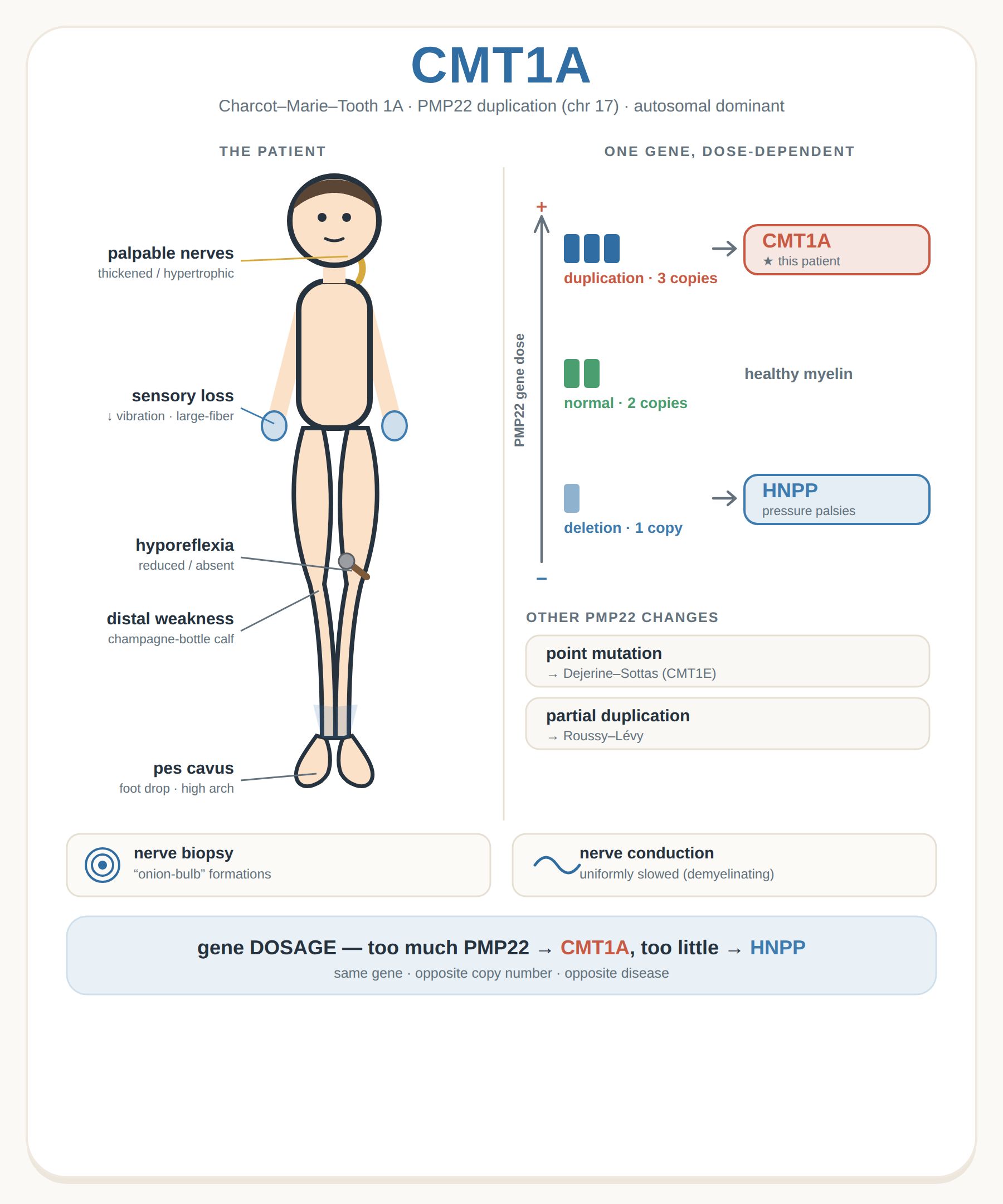
Contraindicated in CMT type 1A[…] (GBS-like neuropathy).

Platinum agents (cisplatin/carboplatin/oxaliplatin)[…]: irreversible ototoxicity + sensory neuropathy with "coasting[…]" (worsening 3 months after stopping). Oxaliplatin specifically: cold sensitivity with perioral numbness.

Paclitaxel[…]: acute painful neuropathy.

High-dose cytarabine[…]: cerebellar syndrome within 5 days from Purkinje cell injury → discontinuation.

Ifosfamide/etoposide[…]: encephalopathy.

Antiangiogenic (bevacizumab)[…]: ICH, stroke, PRES.

MTX[…]: acute encephalopathy with seizures <24h; subacute stroke-like syndrome 2-14 days (resolves <72h); chronic leukoencephalopathy[…] months-years later (especially with chemo + XRT). IT MTX → aseptic meningitis. MRI: extensive white matter T2 hyperintensities + atrophy.

Treatment: IV hydration → leucovorin → glucarpidase[…] (cleaves MTX to inactive metabolites) for severe toxicity. Thalidomide: motor neuropathy.

Treatment for chemo-induced peripheral neuropathy: duloxetine[…] (level 1 evidence).
XRT Toxicity

Mechanism: ionizing radiation → DNA breakage → cell death. Higher total dose over longer duration increases risk. Time course: Early: somnolence syndrome[…] (fatigue, irritability, nausea, HA); Early-delayed: pseudoprogression[…] with positive Lhermitte sign; Late (>6 months): radiation necrosis, vasculopathy, cognitive issues[…]; Very late: secondary malignancy and SMART syndrome[…]. Radiation necrosis: pathophys = vascular injury → fibrinoid necrosis of small BVs → parenchymal necrosis.

MRI: decreased blood volume[…]; MR spectroscopy: high lipid peak[…]; PET: lack of radiotracer uptake. SMART syndrome: rare 1-40 years post-XRT — migraine-like HA + focal deficits ± seizures.

MRI: unilateral, posterior, gyral FLAIR[…] hyperintensity (contrast-enhancing). Other XRT-related: optic neuropathy, brachial/lumbosacral radiculoplexopathy, ototoxicity, myelopathy.

EMG in radiation-induced radiculoplexopathy: fasciculations + myokymic discharges[…].

Treatment: steroids first → bevacizumab[…] or resection/LITT.

For WBRT, reduce toxicity with hippocampal-sparing[…] strategy + memantine.
ICI Toxicity (n-irAE)

ICI MOA: monoclonal Ab → inhibit inhibitory signals to T-cells → enhance T-cell activity (steroids inhibit T-cells — explains why steroids treat n-irAE). Targets: Anti-CTLA-4[…] (ipilimumab) — highest severe neurotoxicity risk; Anti-PD-1 (nivolumab, pembrolizumab); Anti-PD-L1 (atezolizumab, durvalumab); Anti-LAG-3 (relatlimab).

PNS n-irAE (<3 months of therapy): Myopathy → may present with "Triple M" syndrome = myositis + myocarditis + MG[…].

MG in ICI: most often AChR Ab+[…]; more common with anti-PD-1 than CTLA-4.

Neuropathies/polyradiculoneuropathies: AIDP/CIDP, CN neuropathy (especially facial and optic[…]), length-dependent sensorimotor/axonal, mononeuritis multiplex.

Acute onset, non-length-dependent[…] (unlike chemo-induced).

CNS n-irAE: Encephalitis[…]: AMS, seizures, psych, movement symptoms. MRI: mesial temporal FLAIR (like limbic encephalitis). May have positive Ab (NMDA, GAD65, ANNA1/Hu, Ma2).

Meningitis[…]: more common with anti-CTLA-4. AMS, HA, meningeal signs. Monophasic CNS demyelinating disorder: may show anti-AQP4 or anti-MOG Ab; rule out ON.

Myelitis[…]: enhancement in spinal roots; longitudinally extensive can be AQP4/MOG-related. Vasculitis (GCA, CNS, PNS): stroke.

MRA/CTA with vessel-wall[…] imaging shows concentric wall enhancement and beading.

Treatment: stop ICI if grade ≥2 (permanently if higher) + IVMP[…] → IVIG or PLEX for severe (e.g., MG crisis). Differs from classic AIDP where IVIG is first-line and steroid response is poor.
CAR-T Cell Toxicity

Mechanism: patient's T-cells harvested → engineered to express CARs recognizing tumor antigen (CD19 or B-cell maturation antigen[…]) → reinfused. Indication: hematologic malignancies.

Cytokine Release Syndrome (CRS) in first week: Pathophys: secretion of inflammatory cytokines; Symptoms: fever, multiorgan dysfunction (hypotension, hypoxia), flu-like; Treatment: tocilizumab or siltuximab[…] (IL-6 inhibitors).

ICANS (Immune Cell-Associated Neurotoxicity Syndrome): biphasic (~5 days then ~3-4 weeks).: Pathophys: cytokines + CAR-T cells enter CNS → endothelial and cortical dysfunction → BBB disruption; Symptoms: AMS, tremors → severe: seizures and cerebral edema[…]; Grading: ICE Score[…]; Treatment: steroids/dexamethasone[…]; investigational: anakinra (IL-1 inhibitor)[…] or siltuximab; Avoid giving tocilizumab too early[…] — does not cross BBB and potentiates IL-6 effects in CNS, increasing ICANS risk.

TIAN (Tumor Inflammation-Associated Neurotoxicity) (within first week): Type 1: cerebral edema → mass effect with CSF obstruction → high ICP; Type 2: FNDs from peritumoral inflammation; More localized[…] than ICANS (which is global); seen earlier; Treatment: steroids, anakinra, CSF drainage.
Paraneoplastic - NMDAr and ANNA-1

NMDA-Receptor Encephalitis (one of most common): Symptoms: acute-subacute psychosis + seizures + movement disorders (orofacial/lingual dyskinesias[…] that can cause oculogyric crisis or upgaze issues); Often follows HSV encephalitis[…] (4 months later) as trigger; Less common: sleep disturbances; Associated with ovarian teratoma[…]; EEG: "extreme delta brush[…]" with rhythmic chewing; Treatment: urgent surgery + immunotherapy → 2nd-line: rituximab or cyclophosphamide[…] if no response in 4 weeks.

ANNA-1/Hu-Associated Encephalitis: Symptoms: limbic encephalitis + subacute sensory neuronopathy[…] that is asymmetric and painful → significant sensory ataxia; Less common: autonomic issues; Extremely high association with SCLC[…] — repeat cancer screening important; Typically poor prognosis; Subset develops Opsoclonus-Myoclonus[…] syndrome (in kids: associated with neuroblastoma[…]).
Paraneoplastic - AMPA, Ma1/2, LGI1, CASPR2

AMPA-Associated: amnesia + AMS ± insomnia; associated with thymoma[…]. Ma1/Ma2-Associated: temporal lobe epilepsy with refractory seizures + psychiatric issues + hypersomnia/narcolepsy/parkinsonism.

Associated with testicular germ cell tumors[…]. Diagnose with testicular US.

LGI1-Associated: Faciobrachial dystonic seizures[…] or pilomotor seizures (may localize to R temporal lobe); Sleep issues (parasomnias, REM without atonia on PSG); Less common: GI symptoms, piloerection, ictal fever, bladder dysfunction; Good prognosis with immunotherapy. CASPR2-Associated (Morvan syndrome): peripheral nerve hyperexcitability + autonomic + sleep issues + AMS.
Paraneoplastic - GAD65 and Stiff Person Syndrome

GAD65-Associated: Associated with Stiff Person Syndrome (SPS)[…]; Limbic encephalitis with refractory seizures, epigastric aura, déjà vu, automatisms, mild AMS; Downbeat nystagmus[…] + ganglion layer thinning on OCT; Cerebellar syndrome common in patients with DM1[…] (would show high GAD65 titers; many sensitive to gluten).

Stiff Person Syndrome: Symptoms: combination of spasms and rigidity[…] → eventual gait dysfunction.

Mechanism: simultaneous agonist/antagonist muscle activation in proximal[…] limbs/trunk.

Glycine receptor Ab: progressive encephalomyelitis with rigidity, myoclonus, hyperekplexia[…]. Amphiphysin Ab: distal limb presentation. Often has downbeat nystagmus, GI dysmotility, DM history.

Treatment: muscle relaxants (baclofen, tizanidine[…]), botox injections, immunotherapy for refractory (steroids, IVIG, PLEX, ritux).

Check for DM before steroids/IVIG[…].
Paraneoplastic - GFAP, IgLON5, Monoclonal Gammopathy, POEMS

GFAP-Associated: gradual progressive tremor, anxiety, myoclonus. Can have area postrema[…] syndrome like NMOSD.

MRI: characteristic diffuse leptomeningeal + radial vascular[…] enhancement.

Very good response to steroids[…].

IgLON5: isolated brainstem symptoms + high incidence of sleep issues[…] sometimes with stridor. Anti-CRMP5: optic neuropathy + subacute dementia, ataxia, sensorimotor neuropathy.

Associated with lung tumors[…].

Anti-Yo (PCA-1): associated with breast and ovarian[…] cancer.

Monoclonal gammopathy-associated neuropathy: IgM MGUS: demyelinating EMG pattern; associated with Waldenstrom Macroglobulinemia[…] (anti-MAG neuropathy); IgG/IgA MGUS: axonal neuropathy pattern; MM: lambda amyloidosis neuropathy → painful diffuse sensorimotor + carpal tunnel syndrome; EMG: prolonged distal motor latency WITHOUT conduction block + terminal latency index <0.25.

POEMS syndrome: solitary plasmacytoma[…].: Polyneuropathy + Organomegaly + Endocrinopathy + Monoclonal plasma cell + Skin changes[…]; Polyneuropathy rapidly progressive like CIDP → quadriparesis within weeks; Pathophys: elevated VEGF[…] → vascular leak; Treatment: plasmacytoma surgery/XRT or chemo.
Paraneoplastic - Diagnostics and General Treatment

Diagnostics for all paraneoplastic disorders: Serum antibodies[…] (ENS2 panel). Low-titer false+ can lead to misdiagnosis; some have no detectable Ab.

CT CAP wwo[…] to screen for systemic malignancy. PET for occult malignancy + regional metabolism. MRIb: FLAIR hyperintensities in parenchyma (classically temporal/insular cortex).

CSF: pleocytosis + positive Ab ± 14-3-3 protein[…]. Double-banding pattern suggests paraneoplastic; single band suggests CJD. General treatment: remove tumor + immunotherapy.
Supportive Care - Seizures and Vasogenic Edema

Tumor-related seizures: Metastatic most likely to cause seizures: melanoma > lung > breast[…]; Low-grade gliomas with IDH-mutant[…] profile have higher seizure risk because they accumulate 2-HG[…], structurally similar to glutamate, increasing cortical firing; Do NOT prescribe prophylactic ASMs unless patient has had a seizure (>50% of neurosurgeons still do); TMZ can reduce/discontinue ASM in low-grade gliomas (oligo responds better); XRT[…]: initially worsens seizures; long-term improves frequency; Choice: keppra → vimpat → lamictal[…] (especially with severe depression for mood stabilization).

Vasogenic edema and corticosteroids: Tumors cause vasogenic[…] edema from BBB disruption (vs cytotoxic in stroke); Vasogenic edema → increased ICP → trigeminal pain fibers[…] triggered → HA, n/v, papilledema, diplopia; Can also trigger transient ICP elevations with Valsalva[…] → "plateau waves[…]" → drop attacks with preserved consciousness. Dexamethasone: Preferred for low mineralocorticoid → less Na+ retention, less HTN, less systemic edema.

MOA: restores the BBB[…]. Max dose: 16 mg/day (4 q6h) with 10 mg loading dose → wean to BID → QD.

Mild-moderate edema: 4 mg/day[…] sufficient. Higher steroid dosing: no functional outcome difference but more SE.

SE: mood, sleep, appetite, psychosis, Cushingoid, myopathy, hyperglycemia, infection (Thrush, PCP requiring Bactrim PPX[…]).

Counters immunotherapy effects[…] — avoid if possible.

Bevacizumab: monoclonal Ab against VEGF[…] → restores BBB. Steroid-sparing + radiation necrosis treatment. Steroid withdrawal: can cause adrenal insufficiency/crisis from HPA axis suppression — must taper carefully.
Supportive Care - VTE

Risk: vast majority of VTE happens in high-grade glioma[…] (especially IDH-wildtype).

PPX: Older data (PRODIGE[…]): higher ICH risks with DVT PPX → recommended against; Newer data (NCCN 2025, ITAC 2022): DVT PPX with LMWH[…] for hospitalized or >24h postop NSGY (not for outpatient ambulatory).

Treatment: first-line DOACs[…] > LMWH > warfarin. Contraindications: thrombocytopenia (PLT <50k), severe coagulopathy, ICH, uncontrolled malignant HTN. IVC filters: good for PE prevention; no impact on survival; high complication rate (more leg clots). Important if AC contraindicated and life-threatening thrombus burden.
Practice Q - GBM Treatment Stupp Protocol

Temozolomide[…] is the glioblastoma treatment whose benefit depends on the presence of a methylated MGMT[…] promoter.

Methylation silences the DNA repair enzyme and makes tumor cells more sensitive[…] to alkylating damage.
Practice Q - Gyrus Rectus Anosmia

A mass lesion in the gyrus rectus[…] most often impairs the sense of smell (anosmia)[…] because it borders the olfactory bulbs and tracts.
Practice Q - CAR-T ICANS Recognition

After CAR T-cell therapy, the most likely cause of aphasia, seizure, and inattention with normal MRI and elevated inflammatory markers is ICANS (Immune effector cell-associated neurotoxicity syndrome)[…].

Treatment: steroids[…]; emerging — anakinra (IL-1 inhibitor).
Practice Q - CNS Germ Cell Location

The most common location for CNS germ cell tumors is the pineal[…] region, with midline and suprasellar sites accounting for most cases. Tumors in cerebellum, medulla, optic nerve, or spinal cord are rare.
Practice Q - Microtubule Stabilizer Cerebellar Neurotoxicity

Taxanes (paclitaxel, docetaxel) act by stabilizing the microtubule polymer[…] and can cause acute cerebellar dysfunction[…] even without MRI findings.
Practice Q - Avoid Steroids Before PCNSL Biopsy

Empiric steroids can lower the histopathologic diagnostic yield of CNS lymphoma[…] (steroid-responsive).

May also negatively impact checkpoint inhibitor[…] efficacy in metastatic brain disease.
Practice Q - Numb Chin Syndrome

The "numb chin[…] syndrome" (mental nerve neuropathy) is classic for leptomeningeal metastases[…] and reflects involvement of the mental branch of CN V3.
Practice Q - Vincristine in CMT1A
  • Vincristine[…] is contraindicated in Charcot-Marie-Tooth Type 1A[…] due to potential to cause severe GBS-like neuropathy.
Practice Q - Triple M Syndrome

ICI-related myositis may present as "Triple M[…]" syndrome: myositis + myocarditis + myasthenia gravis[…]. Treatment: stop ICI + high-dose steroids → PLEX/IVIG if severe.
Practice Q - Pituitary Apoplexy Treatment

Pituitary apoplexy presents with severe HA + visual impairment + ophthalmoparesis (CN III/IV/VI) + acute panhypopituitarism[…] → urgent glucocorticoid + mineralocorticoid[…] replacement + surgery.