Neuro ICU

Neuro ICU

Subspecialties Β· 72 cards Β· 2 labeled figures

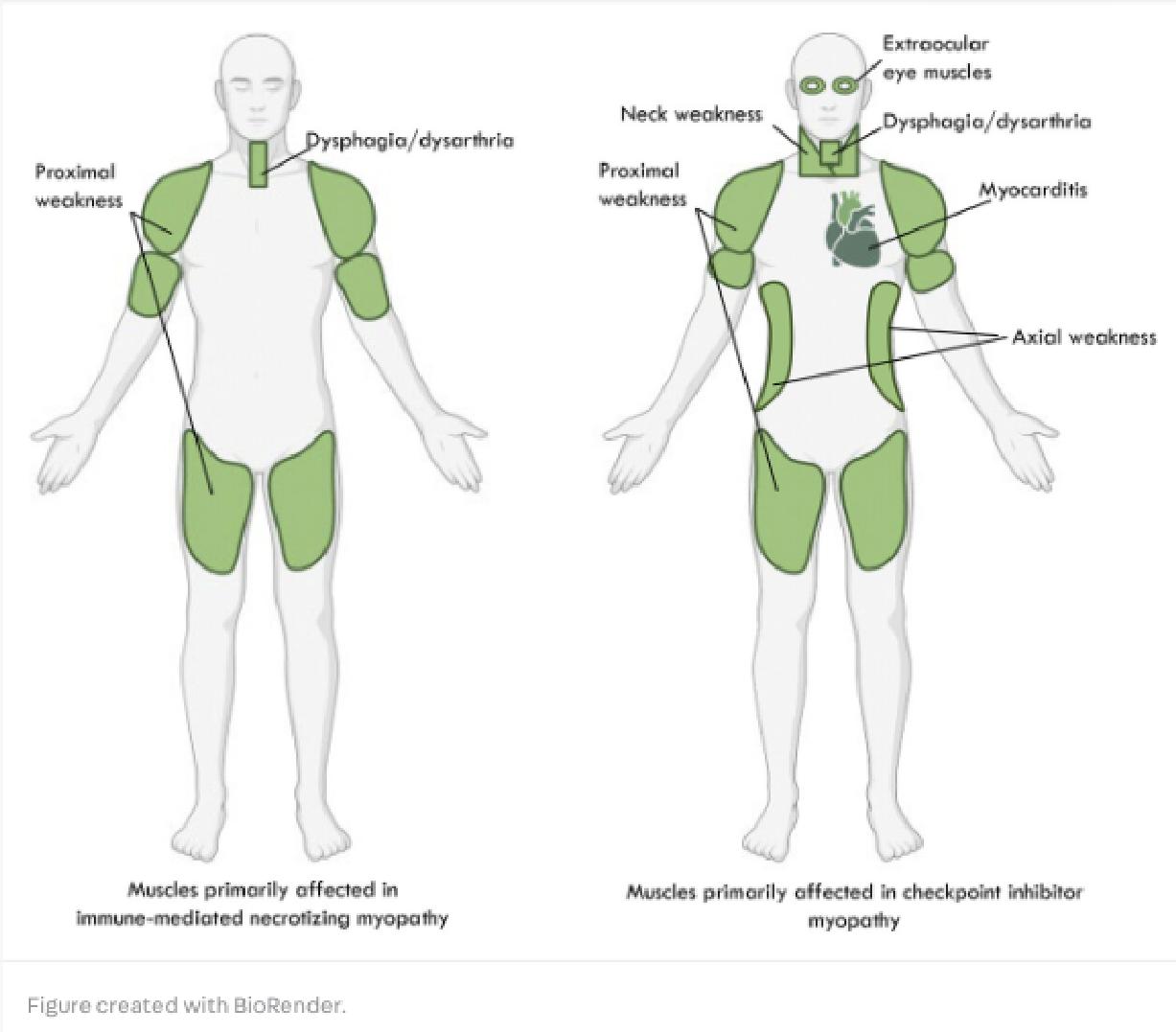
Differentiate muscle groups affected between ICI Neurotoxicity and IMNM
HIBI - Pathophysiology

Subclassification: pediatric, in-hospital (IHCA, higher ROSC), and out-of-hospital (OHCA, lower survival). "Two-Hit" Model: Primary[…] brain injury from ischemia during pulselessness β†’ made worse by reperfusion[…] injury via ROS and inflammation.

Impaired aerobic metabolism β†’ loss of ATP β†’ anoxic depolarization β†’ cytotoxic edema[…].

Increased anaerobic metabolism β†’ lactate accumulation β†’ intracellular acidosis β†’ increased intracellular Ca+2 β†’ mitochondrial toxicity[…].

Disproportionately hits metabolically active structures: cortex, hippocampus, basal ganglia, thalami, cerebellar vermis[…].

Secondary[…] brain injury: neuroinflammation from imbalance between O2 delivery and metabolic demand.

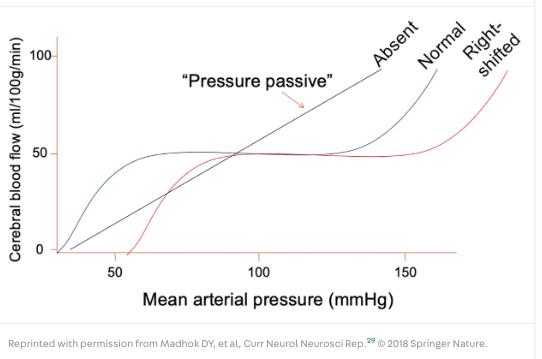
Triggers: fever, seizures[…], cerebral edema, and disrupted autoregulation.

The lower limit of cerebral autoregulation shifts right[…] or is absent β†’ CPP insufficient even at normal MAP.
HIBI - Ventilator, ICP, Temperature, Seizures

Ventilation: Target normoxia (PaO2 75-100)[…] β€” hyperoxia or hypoxia β†’ oxidative stress.

Target normocapnia (PaCO2 35-45)[…]. Hypocapnia β†’ cerebral vasoconstriction β†’ ischemia. Hypercapnia β†’ cerebral vasodilation β†’ increased ICP.

ICP & edema: edema can worsen after rewarming (rewarm gradually) or rapid correction of hyperosmolar states[…] (hyperglycemia, uremia). Temperature control: Hypothermia reduces metabolism β†’ decreased apoptosis + reduces ICP and seizure risk.

Actively avoid fever[…]; each 1Β°C over 37Β°C worsens outcomes.

Prevent shivering with sedation and neuromuscular blockade[…].

Preferred sedatives: fentanyl (ΞΌ-opioid), propofol (GABAa), dexmedetomidine (Ξ±2)[…].

Avoid benzodiazepines[…] (delay awakening).

Propofol SE: propofol infusion syndrome[…]. Precedex SE: bradycardia.

Seizures: treat GTC, myoclonus, NCSE[…], and IIDs with reactive/continuous backgrounds.

Lance-Adams[…] syndrome = chronic post-hypoxic myoclonus with preserved consciousness β€” these patients may have a continuous EEG background despite jerking.
HIBI - Neuroprognostication

Pre-test conditions: ensure normocapnia, oxia, thermia, tension, glycemia[…], off sedation and NMB, no other toxic/metabolic injury (sepsis).

Clinical exam: Pupillary light[…] reflex (use pupillometer if available); Corneal reflex[…] + motor response.

EEG: suppressed background Β± periodic discharges or burst suppression[…] predict poor outcomes.

SSEPs: bilateral absence of N20[…] cortical responses β†’ poor outcome.

Biomarkers: neuron-specific enolase (NSE)[…] increasing between days 1-3 β†’ poor outcome.

Imaging: CT showing cerebral edema or MRI diffusion restriction[…] patterns are unfavorable. Myoclonus that is continuous and generalized for >30 minutes is unfavorable.

Timing: most patients who regain consciousness do so in the first week[…], sometimes delayed up to 2 weeks[…] with TTM/sedation. Deaths days 1-3 are usually cardiac/multiorgan; after day 3 typically brain injury.

Most common cause of death overall: WLST[…].
LVO ICU - Post-Thrombectomy Monitoring

Background: 2015 trials (MR CLEAN, ESCAPE, REVASCAT, SWIFT-PRIME, EXTEND-IA[…]) established mechanical thrombectomy <6-8 hours for anterior-circulation LVO.

Late-window (>6h) and large core[…] populations now also eligible.

Tenecteplase[…] replacing alteplase as preferred thrombolytic.

Monitoring: Serial neuro exams q15 min[…] immediately after thrombectomy β†’ q1-2h by 8h post-thrombectomy (exam changes and hemorrhage occur early); Add pupillometry[…] for comatose patients.

BP control: After IVT or successful EVT: SBP <185[…]; avoid variability or hypotension (increased ICH risk).

After unsuccessful recanalization or non-EVT candidates: permissive hypertension up to SBP 220[…] to preserve ischemic penumbra; vasopressors PRN to prevent hypotension.

SHINE[…] trial: intensive glucose control (80-130) via insulin gtt vs <180 SC insulin β†’ no improvement, more hypoglycemia.

Maintain BG 140-180[…]. Hyperthermia (>37.5Β°C): worsens outcomes; treat with antipyretics + nonpharm cooling. Induced hypothermia is not routinely recommended.
LVO ICU - Hemorrhagic Transformation

Postop imaging: dual-energy CT[…] to distinguish hemorrhage from contrast staining[…] (subtracts iodine). Contrast hyperdensity is NOT benign β€” predicts delayed HT.

Pathophys: ischemia β†’ BBB permeability via MMP-9[…] activation; worsens with IV thrombolytics. Heidelberg classification: HI 1-2, PH 1-2.

BP management with HT: Highest hemorrhage risk at SBP >220/105[…] mmHg; Target SBP <140[…] with rapid IV antihypertensives; Discontinue IVT[…] or reverse with FFP or Kcentra (4F PCC)[…].

Access complications: Radial: rare distal hand ischemia[…]; closure with compressive band. Femoral: groin checks + limb perfusion checks; hip joint must remain straight for 4-6h.

Complications: limb ischemia, groin hematoma, retroperitoneal hematoma[…].

Hypotension after femoral access β†’ suspect retroperitoneal hemorrhage[…] β†’ manual pressure, volume resuscitation, abdominal/pelvic imaging.
LVO ICU - Malignant Edema and Hemicraniectomy
  • Pathophys: failure of membrane transporters β†’ influx of Na+ and H2O into ischemic/necrotic cells. Swelling peaks day 3[…].
  • Risk factors for malignant edema: young person with high NIHSS, SBP, level of LOC decline[…] and worse CT features including >1/3 MCA territory[…] infarct, early MLS[…] or posterior fossa[…] crowding, and temporal[…] lobe involvement (uncal herniation risk).
  • Treatment
    • HOB >30Β°, head midline; Goal normonatremia (135-145); Mannitol[…] 20% (1 g/kg q6h): doesn't need central access; monitor osmolar gap, hold if >10-20 mOsm/kg
    • Hypertonic saline[…]: 30 mL of 23.4% or 300 mL of 3% q6h; needs central access; avoid in CHF; hold if Na >160
    • Hyperventilation to PaCO2 30-34 as a temporizing bridge[…] to surgery.
  • Hemicraniectomy (per STATE[…] criteria): patients <60 years with large MCA (>2/3) infarct and reduced consciousness, performed within 48 hours[…]. Age 60-80: lifesaving but with severe disability tradeoff. Post-procedure: helmet when out of bed; bone flap replacement at 6-12 weeks.
  • Cerebellar infarction: suboccipital craniectomy[…] to relieve brainstem compression.
LVO ICU - Secondary Prevention and Complications

Antiplatelets/anticoagulation post-EVT: MR CLEAN-MED[…]: routine periop AC/AP increased ICH[…] without improving outcomes (exceptions: stenting); ASA[…] ASAP, hold for thrombolytic Γ— 24h, hemorrhagic conversion, or potential surgery; DAPT[…] (ASA + clopidogrel Γ— 21-30 days) for TIA/minor stroke, not extended to LVO except: ICAD (SAMMPRIS[…] Γ— 90 days), carotid stenosis pending stent/CEA, or AFib-related stroke when DOAC delayed.

Anticoagulation timing (AHA/ASA: 4-14 days post-stroke; DOACs > warfarin): ELAN[…] trial (2023): early DOAC (48h minor/moderate stroke, day 6-7 for major) β†’ no increased bleeding, decreased recurrent ischemic stroke.

Tracheostomy: SETPOINT2[…] (2022) β€” early trach <5 days vs after 10 days β†’ no survival difference, but trach reduces sedation and ICU complications.

DVT prophylaxis: intermittent pneumatic compression[…] (CLOTS 3[…]); pharmacologic PPX with SQH per PREVAIL[…] (LMWH favored, started <48h).

Stimulants: amantadine, modafinil[…] for depressed level of consciousness, 5-7 days post-stroke for ~2 weeks.
ICH - Pathophysiology and Expansion

Incidence: ICH accounts for 10-15%[…] of strokes β€” most severe type.

Pathophys: primary injury from hematoma + secondary injury from inflammation and oxidative stress[…].

Causes: Deep perforator arteriopathy[…] (chronic HTN) β†’ microaneurysm β†’ ICH, or lipohyalinosis β†’ lacunar infarction.

Common locations: basal ganglia, thalamus, deep cerebellum, brainstem[…].

CAA[…] (AΞ² in cortical vessels) β†’ lobar[…] ICH.

Expansion: ICH expands in the first 6 hours[…] with peak in the first 3 hours; More common in deep[…] than lobar ICH; Risk factors: short symptom-to-imaging time, larger baseline volume, pre-ICH antithrombotics, "spot sign[…]" on CTA (active iodine extravasation). Three key interventions to limit expansion: (1) acute BP lowering, (2) coagulopathy reversal, (3) hemostatic agents.
ICH - Blood Pressure Control

AHA guidelines: target SBP 130-150[…] mmHg when presenting SBP is 150-220; avoid peaks and variability; initiate within 2 hours[…] of symptom onset.

Trials: INTERACT2[…]: intensive SBP <140 vs liberal 140-180 β†’ nonsignificant trend toward favorable outcomes; ATACH-2[…]: intensive SBP <140 β†’ no primary benefit; post hoc analysis showed reduced hematoma expansion and better functional outcomes in deep[…] ICH when initiated <2h; Pooled analysis: BP fluctuations[…] during acute phase associated with hematoma expansion, death, disability.
ICH - Coagulopathy Reversal

General: immediately discontinue[…] the antithrombotic and emergently correct coagulopathy.

Factor Xa[…] inhibitor-related ICH has better outcomes than warfarin-related.

Antiplatelet-related: PATCH[…] trial: platelet transfusions associated with major disability/death β€” NOT recommended except for emergent surgical intervention; DDAVP[…]: increases vWF and factor VIII; role in limiting hematoma expansion unclear.

Anticoagulation reversal: UFH β†’ protamine sulfate[…]; LMWH β†’ protamine (partial only); Warfarin β†’ 4F PCC (Kcentra)[…] + vitamin K (faster than FFP); Dabigatran β†’ idarucizumab[…] (Ab fragment); alternative RRT Β± PCC; Direct Xa inhibitors (apixaban, rivaroxaban, edoxaban) β†’ andexanet alfa or PCC[…]; ANNEXA-4[…]: andexanet alfa has ~10% thrombotic event rate; cost-effectiveness favors PCC.

Hemostatic agents (do not improve functional outcomes): FAST[…]: rFVIIa reduced hematoma but didn't improve outcomes; TICH-2[…]: TXA neutral for outcomes but reduced expansion and early mortality; FASTEST[…] (ongoing): ultra-early rFVIIa <2h.
ICH - Seizures and Medical Management

Seizures: Most occur in the first week after ICH; Prophylactic ASMs not recommended[…] due to sedative/cognitive effects; ASMs only for clinical or electrographic seizures; CAVE[…] score for long-term seizure risk: Cortical, Age <65, Volume small, Early seizures <7 days.

Airway: intubate with GCS <8[…], worsening exam, or for transfer. Temperature: fever in ~1/3 of ICH patients; treat aggressively.

Glucose: avoid hypo (<60) and hyper (>180) β€” target liberal control <180[…].

NICE-SUGAR[…]: intensive glucose control β†’ higher mortality.

VTE PPX: SCDs per CLOTS 3[…]; pharmacologic PPX with SQH or LMWH starting 24-48h after stable hematoma. ~40% of ICH patients with severe disability at 1 month have very good 1-year recovery β€” avoid therapeutic nihilism.
Status Epilepticus - Definitions and Stages

2015 ILAE operational definition (two time points): T1 (start treatment) β€” convulsive SE: 5[…] min; focal SE: 10[…] min; T2 (neuronal damage begins) β€” convulsive SE: 30[…] min; focal SE: 60 min.

Four progressive stages: Early/Impending[…] SE: continuous/intermittent seizures >5 min without recovery; Established[…] SE: develops 10-30 min after onset; refractory to benzo; Refractory[…] SE: continues despite two ASMs, first being adequate benzo; Super-Refractory[…] SE: continues β‰₯24h after anesthesia initiation.

Special subtypes: NORSE[…]: refractory SE in patients without preexisting neurologic disorders or clear cause; FIRES[…]: NORSE subcategory with preceding febrile infection (2 weeks to 24h before); If workup unrevealing within 72h β†’ consider autoimmune[…] etiologies.
Status Epilepticus - Pathophysiology

Within milliseconds-seconds: neurotransmitter release, ion channel changes, protein phosphorylation. Within seconds-minutes: receptor trafficking β€” more excitatory AMPA and NMDA[…] receptors β†’ glutamate-mediated Ca+2 influx β†’ apoptosis and mitochondrial dysfunction.

Concurrently, inhibitory GABAa[…] Ξ²2/Ξ²3/Ξ³2 subunits internalized[…] β†’ reduced GABA receptors β†’ diminished response to benzos/barbiturates β†’ refractory state.

Within minutes-hours: neuropeptide changes β€” increased excitatory substance P[…] and decreased inhibitory neuropeptide Y[…]. Days-weeks: epigenetic changes β†’ epileptogenesis and neuronal damage.
Status Epilepticus - Treatment Stages

  • Stage 1 (minutes) β€” benzodiazepines: IV lorazepam 4 mg[…] or IV diazepam 10 mg; No IV access β†’ IM midazolam[…] (noninferior to IV lorazepam per landmark trial); Most common failure cause: underdosed benzo[…] (ESETT[…] Trial analysis: adequate <25% of the time).
  • Stage 2 (10-30 min) β€” second-line ASMs
    • the ESETT[…] trial used fosphenytoin (20 mg/kg), VPA (40 mg/kg), and keppra (60 mg/kg) showing similar efficacy and SEs
    • a network meta-analysis showed that phenobarbital[…] had superior efficacy but worse safety
    • other option often used after Keppra: lacosamide[…] 
  • Stages 3-4 β€” IV anesthetics: midazolam, propofol, pentobarbital, ketamine.: Initial: versed or propofol[…] (both GABA agonists).
    • Propofol SE: hyperTG, hypotension, propofol infusion syndrome[…].
    • Versed SE: prolonged sedation, hypotension, tachyphylaxis[…].
    • Ketamine[…]: NMDA antagonist; stable MAP, fewer pressors needed; SE: sympathomimetic effects (HTN, tachycardia, hypersalivation); no effect on ICP/CBF/CPP.
    • Pentobarbital[…] (GABA agonist) reserved for failures; SE: hypotension, cardiotoxicity, paralytic ileus, hypokalemia, immune suppression, propylene glycol toxicity. Transition to phenobarbital to reduce withdrawal seizures.
TBI - Severity and Imaging

  • GCS: Mild: 13-15[…]; Moderate: 9-12[…]; Severe: <8.
  • CT is initial modality. Classification: Marshall and Rotterdam[…] CT scores (newer scores like Helsinki, Stockholm, NRIS better predict outcomes)
  • Features of intracranial HTN: compression of basal cisterns[…] and midline shift >5 mm
  • Get a CTA[…] in patients at high risk for traumatic cerebrovascular injury.
  • Treatment basics: Hyperosmolar therapy[…] for suspected intracranial HTN.
    • In hemorrhagic shock, HTS[…] preferred (avoid mannitol-induced hypotension). Target serum Na 160, osmolar gap 20.
  • CRASH-3[…] Trial: TXA within 3h benefits only severe TBI (GCS 3 or bilaterally unreactive pupils). Corticosteroids: not recommended.
  • Antiseizure PPX: give it Γ— 7 days[…] for early posttraumatic seizures. Penetrating TBI: add antimicrobial therapy.
TBI - ICU Monitoring and Tier Management

ICP monitoring trials: BEST-TRIP[…]: no difference between ICP-monitor protocol vs imaging/clinical exam; SYNAPSE-ICU[…] (2021): invasive ICP monitoring was better.

Brain Trauma Foundation targets (adults): SBP >100[…]; ICP <22[…]; CPP >60[…].

Tier management for high ICP: Tier 0 (universal for severe TBI): intubation, MV, positioning, sedation/analgesia, prevent fever/hypotension/hypoxia; Tier 1-2: hyperosmolar therapy, CSF drainage, adjust parameters; Tier 3: barbiturates[…] (pentobarbital), moderate hypothermia (35-36Β°C)[…].

Decompressive craniectomy: recommended against for early refractory ICP elevation; recommended for late[…] refractory ICP elevation.

Brain tissue hypoxia: SjvO2[…] (jugular venous O2): global measure; target >50%.

PbtO2[…] (parenchymal brain tissue O2): local measure.

BOOST II[…] trial: ICP + PbtO2-guided management feasible, reduced PbtO2 <20 burden.
TBI - Complications and Prognosis

Cerebrovascular complications: Blunt cerebrovascular injury (BCVI)[…]: distraction/stretch trauma β†’ intimal disruption β†’ dissection β†’ strokes within first 72 hours[…].

Graded by Denver (Biffl)[…] scale; CTA modality of choice. EAST: antithrombotic therapy in BCVI without associated stroke. Post-traumatic CVST: common with skull fracture. Cortical spreading depolarization (CSD): pathologic waves through gray matter at <10 mm/min β†’ collapse of membrane potentials β†’ Ca+2 influx β†’ excitotoxic injury.

Blocked by NMDA antagonists (ketamine, memantine)[…].

Paroxysmal sympathetic hyperactivity (PSH): recurrent transient episodes of tachycardia, HTN, tachypnea, fever, rigidity[…] from catecholamine surges. Pathophys: disconnection in central autonomic network. Starts at end of first week as sedation weaned.

Treat: nonselective Ξ²-blockers[…], bromocriptine, opioids, central Ξ±-agonists, GABAergic agents.

Diffuse axonal injury (DAI): results from angular/rotational acceleration-deceleration.: Grade 1: microscopic axonal damage; Grade 2: corpus callosum[…] lesions; Grade 3: rostral brainstem[…] lesions; MRI: SWI/GRE[…] best for hemorrhagic axonal injury; FLAIR[…] best for nonhemorrhagic; Serum biomarkers: GFAP and UCH-L1[…] FDA-approved for concussion evaluation.
Traumatic Spinal Cord Injury (TSCI)

Overview: cervical[…] SCI most common and most disabling.: High cervical (C1-C3): often from falls, more incomplete; Lower cervical: more from MVC/sports, more complete; Kids <9yo: vertebral column more flexible β€” more susceptible to traumatic SCI.

Initial assessment: Cervical collar[…] for spinal motion restriction; Above C3[…]: respiratory arrest within minutes; Above C5[…]: respiratory failure from loss of diaphragm β€” intubate ASAP; Maintain SpO2 >92%; hypoxemia in cervical SCI β†’ unopposed vagal activity β†’ bradycardia/arrest.

Cardiovascular failure: disruption of descending sympathetic fibers (T1-T5).: Neurogenic shock[…] (injury at or above T5[…]): distributive shock without compensatory tachycardia; Spinal shock[…]: hyperacute loss of spinal function with flaccid paralysis and areflexia. Diagnostics: CT cervical spine initial; MRI for all with neurologic deficits.

ASIA[…] grading.

Treatment: Early stabilization and decompressive surgery; MAP > 85 Γ— 7 days[…] with pressors if needed; Neurogenic shock: fluid resuscitation β†’ pressors (norepinephrine[…] preferred for balanced Ξ±/Ξ² effects); phenylephrine for vasoplegia without bradycardia in SCI below T6; VTE PPX with LMWH[…] <72h of SCI; Prevent: pressure injuries (reposition q2h), pulmonary infections (mucolytics, abdominal binders, chest PT).
NeuroICU CNS Infections - Empiric Treatment

Encephalitis/myelitis empiric treatment β€” do NOT delay for LP.: HSV: most common viral encephalitis; hits parafalcine, insular, temporal[…] cortices; Treat HSV/VZV: acyclovir[…] (foscarnet if resistant); CMV: ganciclovir or foscarnet[…]; Rabies: human rabies Ig + 14-day vaccine series; Steroids if direct vs postviral inflammatory can't be distinguished.

Meningitis empiric treatment: Community-acquired (adults/children >2y): vancomycin + ceftriaxone + dexamethasone[…]; Dexamethasone benefit for all organisms except Listeria and Cryptococcus[…]; >50yo or immunosuppressed: add ampicillin[…] (Listeria); Neonates: ampicillin + cefotaxime or aminoglycoside; Healthcare-associated: vanc + Pseudomonas coverage + remove infected hardware; Intrathecal antibiotics: ID/pharmacy consult; high direct toxicity and seizure risk; preservative-free diluents.
NeuroICU - Abscess, Toxins, Hydrocephalus

Brain abscess vs empyema: Abscess[…]: collection within parenchyma or epidural space; Empyema[…]: collection in subdural space; Source: otitis, sinusitis, mastoiditis, dental β†’ direct or hematogenous spread; Spinal abscess: usually epidural; can cause discitis/osteomyelitis.

Botulism: C. botulinum toxin β†’ inhibits ACh release at NMJ β†’ bulbar weakness β†’ symmetric descending flaccid[…] paralysis (proximal first). Risk of dysautonomia (parasympathetic ACh blocked).

Treatment: botulinum antitoxin[…].

Tetanus: C. tetani toxin internalized by peripheral nerves β†’ retrograde to CNS β†’ prevents GABA[…] release from motor neurons β†’ muscle spasm. Mistaken for tonic seizures.

Treatment: tetanus immunoglobulin[…] + benzos/propofol + wound debridement + abx.

Avoid pancuronium[…] (inhibits catecholamine reuptake).

Hydrocephalus: Obstructive[…]: enlarged ventricles from blocked CSF flow.

LP contraindicated[…] (herniation risk) β†’ place EVD. Posterior fossa swelling: minimize CSF drainage to prevent upward herniation unless suboccipital craniectomy also performed.

Communicating[…]: debris blocks absorption at arachnoid granulations. CAN do LP or lumbar drainage.
NeuroICU - Infection-Related Vascular and Spinal Complications

Vasculopathy and stroke: angioinvasive infections classically Aspergillus and Mucor[…] β†’ high ICH rates.

Viral endotheliopathy: VZV, HSV, parvovirus B19[…].

Cerebral venous sinus thrombosis (CVST): septic CVST from cerebral/orbital/sinus infection β€” most common in cavernous[…] sinus. Septic cavernous: fever + periorbital pain/swelling β†’ meningitis, carotid narrowing, multiple strokes. AC debated due to hemorrhage risk.

Infection-related ICH: Most common cause: mycotic aneurysm from infective endocarditis[…]; Imaging: CTA preferred (MRA may miss distal aneurysms); DSA definitive; Mycotic aneurysms often fusiform and distal[…] β€” surgical/endovascular treatment may require sacrificing proximal vessel; Lyme vasculitis + angioinvasive species (Aspergillus, Mucor) prefer perforating arteries[…] β€” up to 6 months of antimicrobials needed.

Spinal epidural abscess: image entire spine[…] (multiple areas possible from hematogenous seeding). Treatment: broad-spectrum antimicrobials Γ— 4-12 weeks + posterior epidural abscess decompressive laminectomy.

Avoid seizure-lowering antimicrobials: carbapenems, 4th-gen cephalosporins, fluoroquinolones[…].

Carbapenems significantly reduce valproate[…] levels; voriconazole is a strong CYP inhibitor.
Demyelinating ICU - Tumefactive Disease and ADEM

Tumefactive lesions: >2 cm on MRI, resemble tumors. Usually initial presentation of demyelinating disease. Aggressive demyelination can also be non-tumefactive (many small ADEM lesions or critical-location lesions like RAS or bilateral thalami). DDX ("VITAMINS"): infections (abscess, PML, toxo, crypto), inflammatory (neurosarcoid, Behcet), neoplasms, primary autoimmune (MS/NMO/MOGAD/ADEM). Distinguishing features: CT hypodensity[…] + MRI gadolinium enhancement in same location β†’ demyelination (vs hyper/isodense tumors); MRI: incomplete rim[…] enhancement, mixed T2 iso/hyperintensity, absence of mass effect, absence of cortical involvement; Hemosiderin[…] is very rare in tumefactive demyelination; MR perfusion: low CBV[…] in demyelination vs high in gliomas (cannot differentiate from lymphoma).

ADEM: Simultaneous multifocal CNS inflammation, usually monophasic[…]; 75%[…] have infection 1-3 weeks before; MRI: bilateral asymmetric FLAIR hyperintensities; lesions in deep gray (thalami/BG)[…] are highly suggestive; Spinal involvement up to 1/3; open-ring enhancement; CSF: pleocytosis, elevated protein, OCBs rare. Acute Hemorrhagic Leukoencephalopathy: hyperacute severe ADEM variant; small vessel necrosis with neutrophil/macrophage infiltrates (vs lymphocytic in classic ADEM). Higher mortality.
Demyelinating ICU - NMOSD, MOGAD, Variants

NMOSD: Astrocytopathy: anti-AQP4[…] antibodies on astrocytes β†’ complement activation β†’ astrocyte injury β†’ secondary demyelination.

Symptoms: longitudinally extensive >3-segment myelitis[…] + optic neuritis common.

Lesions in areas of high AQP4: circumventricular organs (area postrema β†’ n/v/hiccups) and hypothalamus[…] (narcolepsy, hypothermia, SIADH). Majority experience recurrent events.

MOGAD: Anti-MOG IgG on myelin β†’ complement activation; astrocytes relatively preserved; More common in children[…]; Symptoms: optic neuritis, ADEM, myelitis; Diagnosis: anti-MOG titers >1:20; CSF OCBs absent; Visual recovery better[…] than NMOSD.

MS variants: BalΓ³[…]: concentric "onion-ring" lesions; lower OCB prevalence; Marburg[…]: fulminant demyelination β€” often fatal within months; Schilder[…]: rare, pediatric; 1-2 large bilateral symmetric lesions in centrum semiovale.

FLAMES[…]: rare focal encephalitis with unilateral cortical FLAIR lesions + seizures + meningeal enhancement.
Demyelinating ICU - Treatment

Initial treatment (similar regardless of underlying disorder; exclude infection first): 1st-line: IV methylprednisolone 30 mg/kg/day (max 1000 mg) Γ— 3-5 days[…]. ADEM: oral taper over 4-6 weeks. Pediatric MOGAD: oral prednisone taper over 3 months. Monitor glucose + GI prophylaxis.

If prednisone >20 mg/d for >5 weeks β†’ TMP-SMX[…] PPX.

2nd-line PLEX Γ— 5-7 cycles: In NMOSD: may be adjunctive first-line; If concurrent with steroids, give steroids at the end of PLEX session[…] to avoid clearance; Monitor fibrinogen q24-48h; give cryoprecipitate if low; Do NOT do PLEX shortly after IVIG[…] (would remove it).

3rd-line: rituximab[…] or cyclophosphamide for refractory disease β€” both require TMP-SMX PPX.

Long-term: avoid fingolimod[…] in MS (tumefactive lesions) and NMOSD (can worsen).

Spasticity complications: paroxysmal tonic spasms respond to carbamazepine[…]; neuropathic pain to SNRIs/gabapentinoids/TCAs.
NM Emergencies - Bedside Assessment

Common endpoint: bulbar and respiratory muscle dysfunction β†’ can't protect airway or maintain ventilation. Localization β€” four anatomic levels: anterior horn cell, root/peripheral nerve, NMJ, muscle[…].

Bedside assessment: Neck flexion[…] strength approximates diaphragmatic strength; Paradoxical breathing[…] ("thoracoabdominal desynchrony") = impending respiratory failure; Bulbar[…] dysfunction predicts need for respiratory support.

Parameters: FVC[…] (forced vital capacity): max exhaled volume after max inhalation. Normal 4-5L (men), 3-3.5L (women).

High risk if <1500 mL or <20 mL/kg[…]. <60% predicted correlates with impending failure. Supine FVC decrease >30% vs sitting = severe diaphragmatic weakness.

Single-breath counting[…]: <20 suggests respiratory compromise.

NIF[…] (negative inspiratory force): more negative than -60 cmH2O is normal. Less negative than -30 = severe weakness. Most sensitive metric for mild weakness.

MEP[…] (maximal expiratory pressure): proxy for cough; >60 = adequate. ABG: with mild weakness, PaCO2 is lower than normal (compensatory hyperventilation).

Normal PaCO2 in a tachypneic patient[…] signals impending failure.

20/30/40 rule for intubation: FVC <20 mL/kg[…], NIF less negative than -30 cmH2O, MEP <40 cmH2O, or >30% reduction within 24h.
NM Emergencies - AIDP, MG, IMNM

AIDP family: Guillain-BarrΓ© syndrome[…]: distal and proximal symmetric weakness after infection/vaccination; reflexes diminish as condition progresses; Variants: Miller Fisher, AMSAN, AMAN; Caution: GBS unlikely if completely lacks sensory symptoms, has fever, progresses beyond 4 weeks[…], or has dramatic CSF pleocytosis; Treatment first-line: IVIG 2 g/kg over 5 days[…] OR 5 PLEX sessions; repeat treatment doesn't help; Axonal[…] subtype predicts prolonged ventilation/trach.

Myasthenia gravis: Hallmark: fatigable[…] weakness; Steroids effective but up to 26%[…] initial transient worsening with induction; MG crisis: dramatic strength increase after plasma exchange[…] β€” less often needs trach; BiPAP failure predictor: initial PaCO2 >45 mmHg.

Botulism: C. botulinum toxin β†’ inhibits ACh release β†’ symmetric descending flaccid[…] paralysis starting bulbar β†’ proximal first.: Treatment: botulinum antitoxin[…]. ALS: all progress to respiratory failure. FVC <50% = imminent respiratory failure.

Cough peak flow <270 L/min β†’ mechanical insufflation-exsufflation[…]. IMNM: more rapid than other IIMs; very high CK (often >5000); necrosis without lymphocytic infiltrates.

Predilection for proximal weakness[…] + dysphagia.

Anti-SRP and HMGCR[…] antibodies. Only 2/3 of HMGCR+ have statin exposure. Treatment: high-dose steroids β†’ MTX, rituximab, or IVIG.

ICI-associated myopathy: higher rate of ocular involvement and myocarditis[…]; often seronegative with lower CK. Treatment: discontinue ICI + high-dose steroids Β± PLEX/IVIG.
Neuro-Onc Emergencies - Direct Tumor Complications

Categories: direct tumor-mediated, indirect (seizures, paraneoplastic, stroke, CVT, ICH), and treatment-related. Most common: Malignant primary CNS tumor: glioblastoma[…] (WHO grade 4).

Nonmalignant CNS tumor: meningioma[…]. Brain metastases > primary tumors.

Most common: lung, breast, renal, melanoma[…].

Vasogenic edema[…] is most common in malignancy; partly mediated by VEGF[…] (target for bevacizumab).

Herniation is most common cause of death: Uncal[…] herniation: ipsilateral mydriasis + contralateral hemiparesis + decreased consciousness.

Kernohan-Woltman[…] notch: massive uncal herniation β†’ contralateral peduncle compression β†’ ipsilateral hemiparesis[…] (false localizing sign).

Central/downward[…]: loss of upgaze (forced downgaze) + abnormal breathing + decreased consciousness. CSF diversion can exacerbate herniation in posterior fossa lesions β€” keep drain at 15-20 cm H2O.

LP contraindicated[…] with posterior fossa lesions (tonsillar herniation).

Cord compression: thoracolumbar[…] spine most common (via Batson plexus). Pain is often nocturnal.

Treatment: HOB >30Β°, head neutral; Dexamethasone[…] 10 mg IV load β†’ 16 mg/d for peritumoral edema; positive response 24-72h; For cord compression: corticosteroids most effective within 12 hours[…] of symptom onset; Caveat: empiric steroids lower yield of lymphoma[…] histopathologic diagnosis; Gross total resection for solitary mets >3 cm with KPS >70%.
Neuro-Onc Emergencies - Indirect and Treatment-Related

Seizures: most common in IDH 1/2[…] variant tumors (D-2-hydroxyglutarate mimics glutamate).

Keppra[…] most common ASM; avoid enzyme-inducing ASMs.

Paraneoplastic autonomic: high-risk antibodies include ANNA-1, CRMP-5, NMDAr, AChR, GABAb[…] (GABAb can present with refractory SE + dysautonomia).

Stroke: intra-axial neoplasms with coagulopathy β†’ contraindication[…] for thrombolysis (extra-axial neoplasms not a CI).

Spontaneous ICH: Primary CNS tumors prone to hemorrhage: GBM, oligodendroglioma, meningioma; Metastatic tumors prone to ICH: lung/breast adenocarcinoma, RCC, melanoma, papillary thyroid, hepatocellular, choriocarcinoma[…]; Bevacizumab: ~3x ICH risk; Pituitary apoplexy[…]: sudden HA, vision changes, ophthalmoparesis (CN III/IV/VI) + panhypopituitarism β†’ glucocorticoid + mineralocorticoid + surgery. ICI complications: Anti-CTLA-4 has highest risk for severe neurotoxicity; Majority within first 6 cycles; Treatment: stop ICI + IVMP β†’ prednisone 1 mg/kg/d Γ— 1-2 weeks with taper; PLEX/IVIG if higher grade.

CAR-T: CRS (cytokine release syndrome)[…] or ICANS[…] β†’ toxic encephalopathy, aphasia, seizures, cerebral edema.: First-line: anti-IL-6[…] (tocilizumab or siltuximab) β†’ high-dose steroids β†’ anakinra[…] (IL-1R antagonist) for refractory. Radiation neurotoxicity: Acute: edema β†’ responsive to steroids. Early delayed (within 3 months): temporary myelin delay β†’ may resolve.

Delayed (3 months-years): oligodendrocyte and endothelium injury[…] β†’ progressive.

Radiation necrosis[…]: peak up to 3 years after; treat with steroids Β± bevacizumab.

Distinguish from tumor recurrence: tumor has high plasma volume on MR perfusion and choline peaks[…] on MR spectroscopy.
Practice Q - Brain Death Determination

The final required step to confirm brain death is apnea testing[…] showing no respiratory effort as CO2 rises, in a patient with complete absence of brainstem reflexes[…] and a known, irreversible brain injury. Ancillary tests (EEG, MRI) are not needed unless the apnea test cannot be done or interpreted.
Practice Q - Post-Arrest Neuroprognostication Timing

In post-arrest patients who received hypothermia and sedation, lingering sedative[…] medication confounds outcome prediction.

Reliable neuroprognostication requires at least 72 hours[…] and full drug clearance.
Practice Q - Propofol Infusion Syndrome

High-dose or prolonged propofol can cause propofol infusion syndrome (PRIS) with severe unexplained metabolic acidosis[…] as the key lab abnormality.

Other findings: cardiovascular collapse, rhabdomyolysis, renal failure, hyperkalemia[…]. Treatment: stop the infusion ASAP.
Practice Q - Marshall and Rotterdam Severity

On CT, Marshall classification V indicates an evacuated mass lesion[…]. Marshall III with Rotterdam 4 = severe diffuse injury but still recoverable.

First-line therapy for acutely raised ICP in severe TBI is hyperosmolar therapy[…] (HTS preferred in hemorrhagic shock to avoid hypotension).
Practice Q - Paroxysmal Sympathetic Hyperactivity

Stimulus-induced fever, tachycardia, hypertension, tachypnea, and posturing about 1 week[…] after a TBI suggest paroxysmal sympathetic hyperactivity[…]. Treatment: nonselective beta-blockers, bromocriptine, opioids, central Ξ±-agonists, gabapentin.
Practice Q - NCSE in the ICU

NCSE[…] is the most common type of SE in the ICU. Electrographic SE = seizure β‰₯10 min continuous or β‰₯20% of any 60-min epoch.

Periodic discharges 1-2.5 Hz[…] on the IIC warrant a benzodiazepine trial.
Practice Q - Underdosed Benzo Failure

The most common reason for failure to terminate SE in the initial stage is underdosed benzodiazepine[…]. Per ESETT, dosing is adequate less than 25% of the time.

IV lorazepam is preferred when IV access is available; IM midazolam[…] is preferred without IV access (noninferior).
Practice Q - Carbapenem-VPA Interaction

Carbapenems[…] significantly lower valproate levels β€” avoid the combination in patients with epilepsy.
Practice Q - Cerebellar ICH Surgical Threshold

Cerebellar ICH > 15 mL[…] (or >3 cm diameter) or with early neurologic decline requires early decompressive suboccipital craniotomy[…].

EVD alone is risky due to upward cerebellar herniation[…].
Practice Q - Spot Sign and Expansion

The "spot sign[…]" on CTA represents an actively bleeding vessel from extravasation of contrast within the hematoma β€” predicts hematoma expansion.
Practice Q - Warfarin vs DOAC Reversal

Warfarin-related ICH: reverse with 4F PCC (Kcentra)[…] + vitamin K (faster than FFP).

Dabigatran: reverse with idarucizumab[…].

Direct Xa inhibitors: reverse with andexanet alfa or PCC (cost-effectiveness favors PCC[…]).
Practice Q - Platelet Transfusion in ICH

Per the PATCH[…] trial, platelet transfusion in antiplatelet-related ICH increases mortality/disability β€” NOT recommended except when patient needs emergent surgery[…].
Practice Q - Retroperitoneal Hemorrhage Post-Femoral Access

Hypotension and tachycardia after femoral-access thrombectomy should raise concern for retroperitoneal hemorrhage[…] β†’ apply manual pressure, resuscitate volume (transfuse blood PRN), and obtain abdominal/pelvic imaging[…].
Practice Q - Contrast Staining vs Hemorrhage

Most LVO patients have post-thrombectomy contrast hyperdensities β€” use dual-energy CT[…] to distinguish from true hemorrhage.

Contrast staining is NOT benign β€” predicts delayed hemorrhagic transformation[…].
Practice Q - Hemicraniectomy STATE Criteria

Hemicraniectomy benefits patients <60[…] years with large MCA territory infarction (>2/3 of MCA territory) and reduced consciousness, performed within 24-48[…] hours of stroke onset.
Practice Q - TCD for Vasospasm

Transcranial Doppler (TCD)[…] is the most sensitive bedside test for MCA vasospasm.

Perimesencephalic SAH pattern with negative CTA[…] has a benign course.
Practice Q - Neurogenic Stunned Myocardium in SAH

Aneurysmal SAH can cause neurogenic stunned myocardium[…] β€” apical hypokinesis on echo and diffuse T-wave inversion on EKG.
Practice Q - Sensory-Level Deficit

A clear sensory level[…] on exam after trauma mandates urgent MRI of the cervical spine. Intoxication mandates CT clearance regardless of exam findings.
Practice Q - Central Cord Syndrome

Central cord syndrome (degenerative cervical stenosis with hyperextension) causes weakness that is UE > LE[…]. ASIA grade predicts outcome.
Practice Q - Empiric Listeria Coverage

Adults >50yo or immunocompromised with bacterial meningitis need ampicillin[…] added to standard vancomycin + ceftriaxone for Listeria coverage.

Dexamethasone is given for all organisms except Listeria and Cryptococcus[…].
Practice Q - HSV Encephalitis MRI

HSV encephalitis hits the parafalcine, insular, and temporal[…] cortices with diffusion restriction and T2 hyperintensity.

Treat empirically with IV acyclovir[…].
Practice Q - Aspergillus and Mucor ICH Risk

Angioinvasive infections β€” classically Aspergillus and Mucormycosis[…] β€” have high rates of ICH from invasion of perforating arteries.

Up to 6 months[…] of antimicrobials may be needed.
Practice Q - Tumefactive MS Imaging

Tumefactive MS lesions have low cerebral blood volume[…] on MR perfusion (vs high in glioma).

Can be distinguished by incomplete rim[…] enhancement and CT hypodensity in the same location as the MRI lesion.
Practice Q - NMOSD Area Postrema

Area postrema[…] syndrome (nausea, vomiting, intractable hiccups[…]) is highly suggestive of NMOSD[…] β€” area is rich in AQP4 water channels.
Practice Q - PLEX Adjacent to IVIG

Do NOT perform PLEX shortly after IVIG[…] β€” PLEX will remove the IVIG.

If concurrent with steroids, give steroids at the end[…] of the PLEX session to avoid clearance.
Practice Q - GBS First-Line Treatment

First-line treatment for GBS is IVIG 2 g/kg over 5 days[…] or 5 sessions of plasma exchange[…]. Repeat treatment after initial course doesn't help.

Axonal[…] variants predict prolonged ventilation and need for tracheostomy.
Practice Q - 20/30/40 Rule

The "20/30/40 rule" guides intubation in neuromuscular respiratory failure: FVC <20 mL/kg, NIF less negative than -30 cmH2O, MEP <40 cmH2O[…], or a >30% reduction in any of these within 24 hours.
Practice Q - Anti-HMGCR IMNM

Anti-HMGCR[…] immune-mediated necrotizing myopathy shows MRI hyperintensity in adductor and hamstring[…] groups on T2 fat-sat. Biopsy shows fiber size variability, type-2 atrophy, and necrotic fibers. Only 2/3 have statin exposure.
Practice Q - Pituitary Apoplexy

Pituitary apoplexy: sudden headache + visual loss + bitemporal hemianopsia[…] + CN III palsy in a patient with a pituitary tumor β†’ emergency replacement with glucocorticoid + mineralocorticoid[…] + surgery.
Practice Q - ICANS Treatment

ICANS (immune effector cell-associated neurotoxicity syndrome): first-line anti-IL-6 (tocilizumab or siltuximab)[…] β†’ high-dose corticosteroids if refractory β†’ anakinra[…] (IL-1R antagonist) for steroid-refractory. For seizures: GABAergic agents + Keppra.
Practice Q - Bevacizumab and Radiation Necrosis

Radiation necrosis (most prevalent up to 3 years[…] after therapy) is treated with corticosteroids Β± bevacizumab[…].

Distinguish from tumor recurrence on MR spectroscopy (recurrence shows choline peaks[…]).