Chronic HE, Wilson Disease, Acquired Hepatocellular Degeneration
Chronic hepatic encephalopathy: Causes: hepatitis B/C, alcohol, NAFLD, Wilson, hemochromatosis, autoimmune hepatitis; Pathophys: portosystemic shunting[…] + inflammation + hyperammonemia → BBB permeability; Symptoms: dysexecutive syndrome + apraxia + sleep-wake inversion + personality changes; Treatment: maintain Na >130, minimize PPI use (bacterial overgrowth → HE risk), 1st line lactulose[…] (continue after 1st episode to prevent recurrence), 2nd line add rifaximin[…], 3rd line endovascular obliteration, 4th line liver transplant.
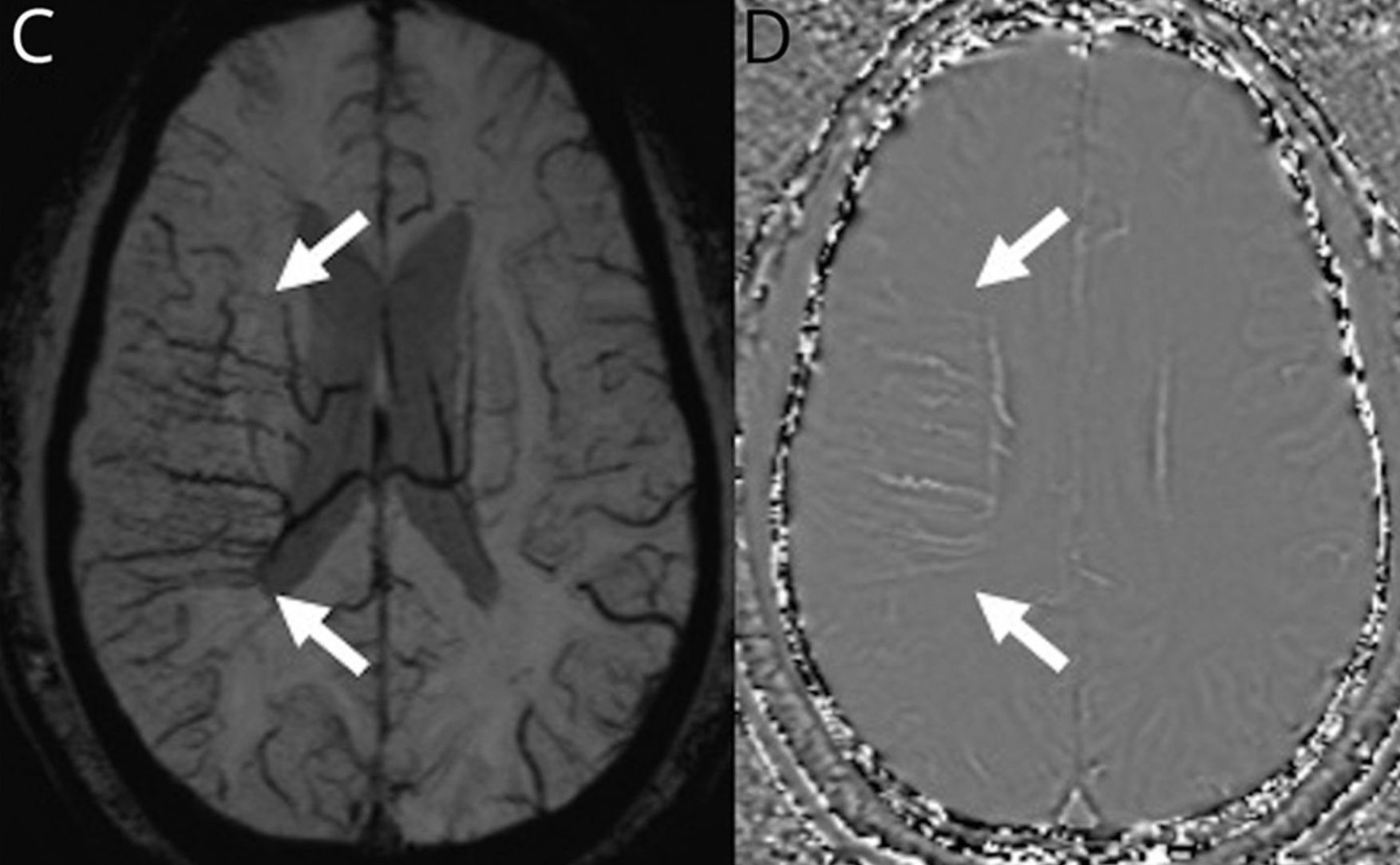
Acquired hepatocellular degeneration: Progressive non-fluctuating[…] (unlike HE) with neuropsychiatric + movement disorders (tremor, dystonia, oral dyskinesias, parkinsonism, cerebellar dysfunction); Does NOT improve with ammonia-lowering therapies; Pathophys: manganese deposition[…] in basal ganglia from portosystemic shunting; MRI: symmetric T1 hyperintensities[…] in globus pallidus; EPS generally do NOT respond to dopaminergic therapies.
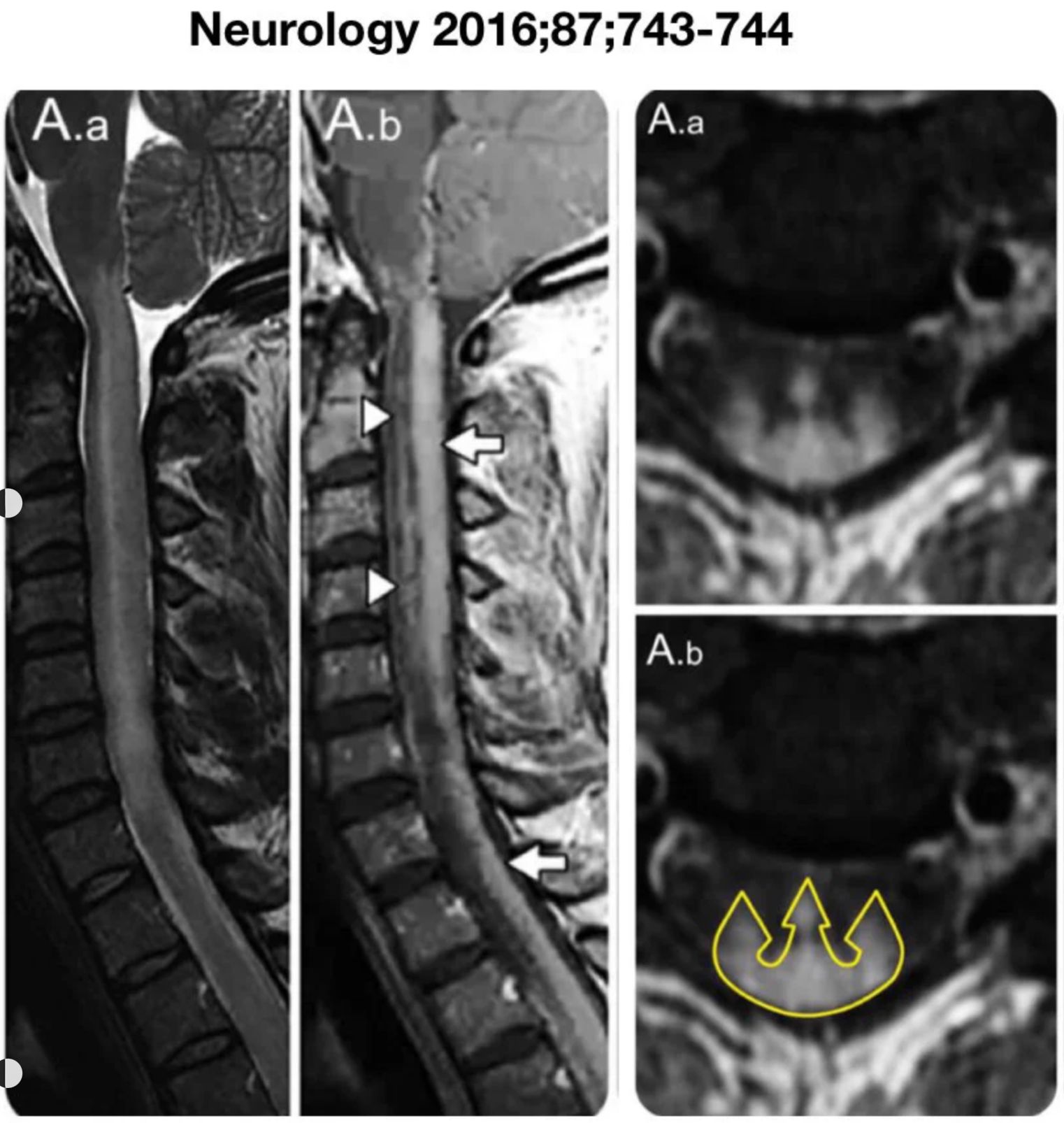
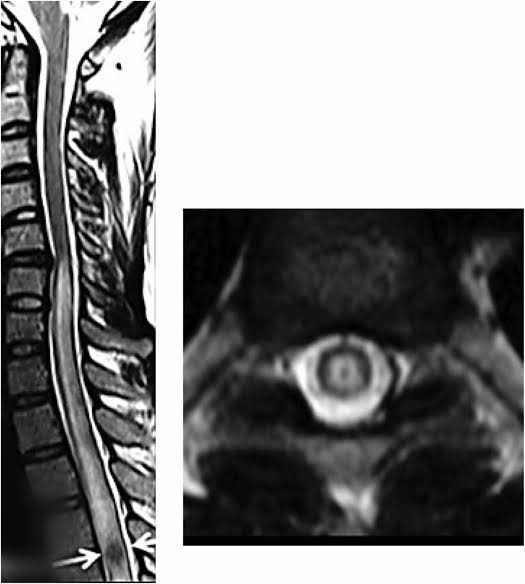
Hepatic myelopathy: progressive spastic paraparesis[…] without sensory or sphincter dysfunction. Pathophys: toxic injury to bilateral CST from portosystemic shunting. MRI spine typically normal. Treatment: shunt reversal with liver transplant.
Wilson disease: AR mutation in ATP7B[…] gene → prevents biliary copper excretion → accumulation in liver/brain. Half of patients have no hepatic disease at neurologic symptom onset. Neuropsychiatric: cognitive decline (frontostriatal pattern: judgment, attention, processing speed, dyscalculia), personality change, hypomania, depression.
Movement disorders: dystonia, tremor (low-amplitude postural/action ET-like, classic wing-beating[…] tremor = proximal UE with abducted/flexed posture), chorea, parkinsonism, ataxia.
Kayser-Fleischer rings[…] from corneal copper deposition (slit lamp).
Diagnostics: low serum ceruloplasmin (<14 likely, <5 highly predictive), high 24h urine Cu (>100/24h diagnostic if symptomatic), ATP7B[…] gene sequencing.
MRI: symmetric T2 hyperintensities in bilateral BG/thalamus/midbrain; ""face of giant panda[…]"" sign (lesion in midbrain tegmentum sparing red nuclei) + ""split thalamus"" sign.
Treatment: copper chelation (D-penicillamine or trientine[…]) + zinc + dietary Cu restriction (avoid shellfish). Start low, uptitrate slowly to minimize worsening risk; lifelong.